Saad
|
March 30, 2026
Psoriasis can make your skin feel raw, itchy, and hard to ignore. It also wears on your energy and how you feel about yourself. A solid self-care plan won’t cure it, but it can cut down on itching, scaling, and redness. When your skin feels calmer, your mood often follows.
Psoriasis speeds up skin cell turnover — new cells rise to the surface in days instead of weeks. Those extra cells pile up into plaques. Your job with self-care is to slow the irritation, protect your skin barrier, and avoid things that trigger a flare. Medical treatment from a dermatologist is important. Adding consistent daily habits makes that treatment work better and keeps you more comfortable between appointments.
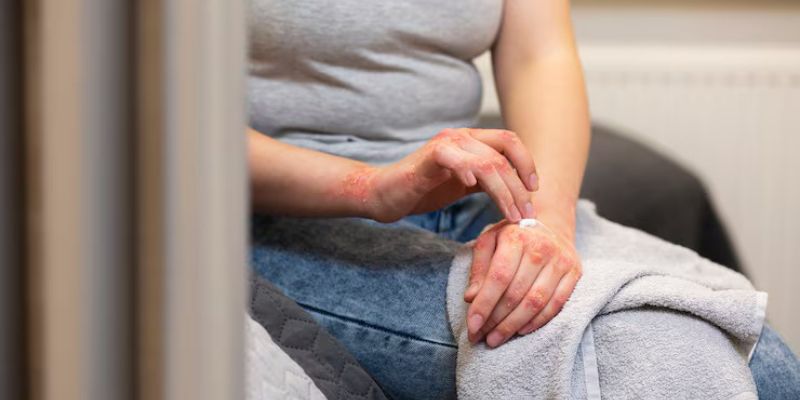
Building a Daily Skincare Routine
A steady routine is the foundation. Use lukewarm water — hot water strips oils fast. Choose a gentle, fragrance-free cleanser (Cetaphil, CeraVe, or generic equivalents work for most people). Skip scrubs, loofahs, and anything that feels rough. You don’t need to exfoliate plaques; that often makes them angrier.
Within three minutes of getting out of the bath or shower, apply a thick emollient. Think petrolatum-based ointments or rich creams like Vanicream or Aquaphor. This seals in the moisture left on your skin from the water. Pat dry with a soft towel — never rub. Rubbing can irritate plaques and trigger new ones where the skin is stressed.
Choose clothing that breathes. Soft cotton, bamboo, or modal reduce friction. Keep showers to five or ten minutes. Longer exposure to water, even lukewarm, breaks down your skin barrier over time.
Cleansing the Right Way
Mild cleansers with few ingredients are your best bet. Avoid anything labeled “antibacterial,” “deodorant,” or “exfoliating.” These often contain sulfates or alcohol. If you have scalp plaques, look for a medicated shampoo with salicylic acid, coal tar, or ketoconazole. Use it as directed — usually two or three times a week, not every day. Overwashing your scalp can dry it out and make flaking worse.
One practical trick: use a soft silicone scalp massager (about five dollars online) to gently lift scales without digging in with your nails. Rinse with cool water at the end to reduce itching.
Moisturising That Lasts
Thick ointments and creams work better than lotions. Lotions have too much water and evaporate quickly. Look for products with ceramides, shea butter, or petrolatum as the first or second ingredient. If you want longer relief, layer a humectant first (something with glycerin or hyaluronic acid), then cover it with an occlusive like petroleum jelly.
How much to use? For a palm sized plaque, a fingertip unit (the amount from the tip of your index finger to the first crease) is a good starting point. Apply in the direction of hair growth, not back and forth. During dry or cold weather, moisturise three or four times a day, especially after washing your hands or before going outside. Dry winter air can pull moisture from plaques in under an hour.
Managing Triggers and Lifestyle
Stress, skin injuries (scrapes, tattoos, even a tight waistband rubbing), infections (especially strep throat), alcohol, and smoking are common triggers. You don’t have to tackle all at once. Pick one or two to track.
For stress: try a simple breathing drill. Breathe in for four seconds, hold for four, out for six. Do that for two minutes when you feel tension building. Or take a ten-minute walk outside — daylight helps regulate mood and sleep. Sleep is a big one: aim for seven to eight hours, and go to bed at roughly the same time each night. Irregular sleep raises cortisol and inflammatory signals.
Keep a small notebook or a note on your phone. Each evening, jot down: what you ate, your stress level (1-10), any new product, and how your skin felt. After two or three weeks, patterns become clear. You might notice that pizza and beer on Friday always leads to itching on Sunday. That’s not guesswork anymore — it’s a plan you can act on.
Nutrition and Hydration
No single psoriasis diet works for everyone, but anti-inflammatory foods help many people. Aim for vegetables (especially dark leafy greens like spinach or kale), whole grains (oats, quinoa, brown rice), and omega-3 sources. Canned sardines, wild salmon, mackerel, flaxseeds, and walnuts are good choices. Try to eat two servings of oily fish per week, or take a fish oil supplement (1,000 mg EPA/DHA combined) after checking with your doctor.
Limit sugar and alcohol. A study in JAMA Dermatology found that each additional drink of non-light beer per week raised psoriasis risk by 7%. If you drink, stick to one glass of wine a few times a week, and see how your skin responds. Water is simple but effective: aim for six to eight cups a day. When you’re dehydrated, your skin becomes less supple and plaques feel tighter.
Sensible Sun Exposure
Controlled sunlight can slow skin cell production. For fair skin, start with 10 minutes of midday sun on your plaques three times a week. For darker skin, 15-20 minutes. Never let the skin burn. Apply sunscreen (SPF 30 or higher) to unaffected areas and to your face. If you’re taking medications like methotrexate or certain NSAIDs, ask your doctor about sun sensitivity — some drugs make you burn faster.
Avoid tanning beds entirely. Their UV intensity is unpredictable and linked to skin cancer. If natural sun isn’t an option, talk to your dermatologist about narrowband UVB phototherapy, which is safer and more controlled.
When to Seek Professional Help
Self-care works best for mild to moderate psoriasis. See a doctor if:
Plaques spread rapidly (more than 10% of your body surface, roughly the size of both arms and legs)
They crack and bleed or show signs of infection (yellow crust, swelling, warmth)
Itching keeps you from sleeping or working
Your joints feel stiff or swollen — that could be psoriatic arthritis
A dermatologist can prescribe stronger topicals (corticosteroids, vitamin D analogues), phototherapy, or systemic drugs (biologics, methotrexate, Otezla). You don’t have to choose between self-care and medical treatment. They work together. Many people apply a prescription cream at night and a plain moisturiser in the morning.
Practical Relief Techniques
Small changes add up. Keep a nail clipper with a file in your bathroom. Short, smooth nails do much less damage when you scratch in your sleep. If an itch spike hits, try a cool compress: wet a soft cloth with cold water, fold it, and press it against the plaque for five to ten minutes. Then pat dry and seal with a plain moisturiser. The cold numbs nerve endings temporarily.
In the shower, swap regular body wash for an emollient soap substitute (like Aveeno Skin Relief or a generic emulsifying ointment). These clean without stripping oils. If you use a prescription topical, apply it first to clean, dry skin. Wait at least 15 minutes — enough time to brush your teeth and comb your hair — then layer your moisturiser on top. If you apply them together, the moisturiser can dilute the medication.
Bath Additives
A short bath softens plaques and reduces tightness. Keep the water lukewarm (around 34-36°C / 93-97°F). Add a handful of colloidal oatmeal (finely ground oats) or a bath oil made for sensitive skin, but avoid strong fragrances or bubble baths. Soak for 10-15 minutes, no longer. Longer soaks wrinkle and weaken the skin.
After the bath, pat dry gently. Don't rub. While your skin is still slightly damp (about 30 seconds after patting), apply your thickest ointment. This two step method, damp skin plus occlusive, can double the hydration benefit compared to dry skin application.
Clothing and Laundry Tips
Soft, breathable fabrics reduce friction. Cotton is safe and cheap. Bamboo and modal are softer but cost more. Remove clothing tags — they rub against plaques on your neck and back. Look for seamless underwear and socks; the seams on regular socks can irritate plaques on your ankles.
Wash your clothes with mild, fragrance-free detergent (like All Free & Clear or Tide Hygienic Clean Free). Skip fabric softeners and dryer sheets. They leave a waxy residue that can cling to skin and cause irritation. In winter, layer a thin cotton shirt under wool sweaters. That way you get warmth without wool touching your skin directly. Also, use a humidifier in your bedroom during dry months; aim for 40-50% humidity. Dry air pulls moisture from plaques within an hour.
Mindset and Support
Psoriasis is visible, and that affects how you feel in social situations. It’s normal to feel embarrassed, frustrated, or anxious. Building a mental health toolkit helps you stick with your skin routine when you’d rather hide.
Try a simple practice: when you notice yourself thinking “everyone is staring at my plaques,” pause and ask, “Would I notice a similar spot on someone else?” Most people are too busy with their own lives to focus on your skin. For deeper worry, try a five-minute guided breathing exercise using a free app like Insight Timer or Calm. Some people find that writing down one good thing they did for their skin each day (e.g., “moisturised after shower”) builds a sense of control.
Tracking Progress
A simple log turns trial and error into a real strategy. You don’t need a fancy journal. Use a notebook or a spreadsheet. Each day record:
Sleep hours (and roughly when you went to bed)
Stress level (1-10, with 10 being worst)
Exercise (type and minutes)
Weather (dry, humid, cold)
Any new product or food
Skin symptoms (itch level 1-10, redness, scaling)
After two to four weeks, look for patterns. Many people discover that low sleep plus high stress triggers a flare every time. Or that eating tomatoes or peppers (nightshades) makes their itching worse. Bring these notes to your dermatologist. They can see what helped and what didn’t, and adjust your treatment accordingly.
Finding Community
Online forums like the National Psoriasis Foundation’s MyPsoriasisTeam or Reddit’s r/Psoriasis have thousands of members sharing practical tips. You might learn that applying an ice pack before a steroid cream reduces burning, or that a specific over-the-counter antihistamine (like fexofenadine) helps with nighttime itch.
Hearing how others explain their condition to a boss or a date can make those conversations easier. If anxiety or low mood sticks around for weeks, consider a therapist who specialises in chronic illness. They can teach you specific coping skills that go beyond “just think positive.”
FAQs
How often should I moisturise?
Moisturise twice a day as a baseline — once in the morning, once at night. Also moisturise after every shower or bath while your skin is still slightly damp. Use a rich cream or ointment, not a thin lotion. Over time, consistent moisturising reduces how often flares happen and how severe they feel.
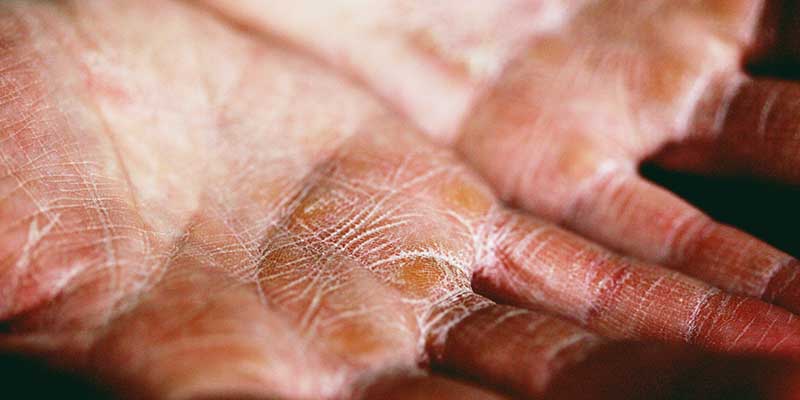
Can stress really trigger flare-ups?
Yes. Stress activates your immune system and raises inflammatory chemicals like cortisol and interleukin-6. Many people notice that a tough work deadline, a family argument, or even a week of poor sleep is followed by new plaques. Try a simple stress break: step outside for two minutes of deep breathing. It won’t erase stress, but it can lower the peak enough to protect your skin.
Is diet truly important?
Diet won’t cure psoriasis, but it can noticeably change how often you flare. An anti-inflammatory pattern — lots of vegetables, fruit, whole grains, and omega-3s (fish, walnuts, flax) — helps some people reduce itching and scaling within six to eight weeks. Limiting alcohol, sugar, and heavily processed foods also supports skin health. Start with one change: replace sugary drinks with water for two weeks and see what happens.
Is sunlight safe for psoriasis?
Short, planned sun exposure helps many people. Start with 10 minutes on your plaques three times a week, avoiding burns. Use sunscreen on unaffected skin and your face. Never use tanning beds. If natural sun isn’t practical, ask your doctor about medical phototherapy — it’s safer and more controlled.
When should I see a doctor?
See a doctor if your plaques spread rapidly, crack and bleed, or become painful. Also if itching keeps you awake at night, or if your joints feel stiff or swollen. Dermatologists can prescribe stronger treatments that work faster. Self-care and medical care are partners — not replacements for each other.
Making Self-Care Work for You
Effective psoriasis self-care is practical and personal. Start small: pick one gentle cleanser, one thick moisturiser, and one trigger to track for two weeks. Add habits slowly — you don’t need a perfect routine on day one. Pair your daily efforts with professional guidance when flares get stubborn. Over weeks and months, you’ll find what calms your skin and keeps your confidence steady.