Tooba
|
October 19, 2025
Most people searching for anti-aging care want smoother skin that still looks like their own. Not tighter, not shiny, not overdone. The goal is soft lines, steady hydration, and a surface that reflects light healthily. This guide focuses on creams that support that goal, along with guidance on using them without overloading your routine.
What Dermatologists Look for in an Anti-Aging Cream
Before getting into product names, it helps to understand why specific formulas earn repeat recommendations.
Dermatologists typically look for three things: ingredients that support skin renewal, formulas that respect the skin barrier, and textures that work over the long term. A cream can be powerful without being harsh. The best ones improve tone and texture gradually rather than forcing a fast change.
Key ingredient groups that show up again and again include:
- Retinol alternatives like bakuchiol or retinaldehyde for smoother skin with less irritation
- Peptides that support firmness and surface resilience
- Antioxidants such as vitamin C or green tea can help defend against daily exposure
- Barrier helpers like ceramides, glycerin, and squalane
- Broad-spectrum sunscreen filters for daytime use
A good cream works with your routine, not against it.
1. CeraVe Skin Renewing Night Cream
This is often suggested for people who want visible smoothing without potent actives. The texture feels rich without being heavy, making it easy to use nightly.
It contains ceramides, peptides, and niacinamide. Together, they support hydration and help reduce the appearance of fine lines over time. It works well for sensitive or reactive skin, especially if retinoids have caused redness in the past.
Use it at night as the final step. Skin typically appears calmer and more even within a few weeks.
2. Olay Regenerist Micro-Sculpting Cream
This one remains popular for a reason. It gives a soft, cushioned feel and layers well under sunscreen.
Amino peptides and niacinamide help refine texture and support firmness. Many dermatologists suggest it for people starting anti-aging care who want visible smoothing without dryness.
It works best in the morning under sunscreen or makeup. A small amount goes far.
3. La Roche-Posay Toleriane Double Repair Face Moisturizer
This option suits skin that reacts easily or feels tight by midday. It focuses on barrier support rather than surface shine.
Ceramides, niacinamide, and prebiotic thermal water help the skin hold moisture more evenly. Over time, fine lines often look softer simply from improved hydration balance.
It works well both in the morning and at night and layers cleanly over serums.
4. Neutrogena Rapid Wrinkle Repair Regenerating Cream
For those ready to use retinol, it is often an easier entry point. It uses a stabilized form of retinol that works steadily rather than aggressively.
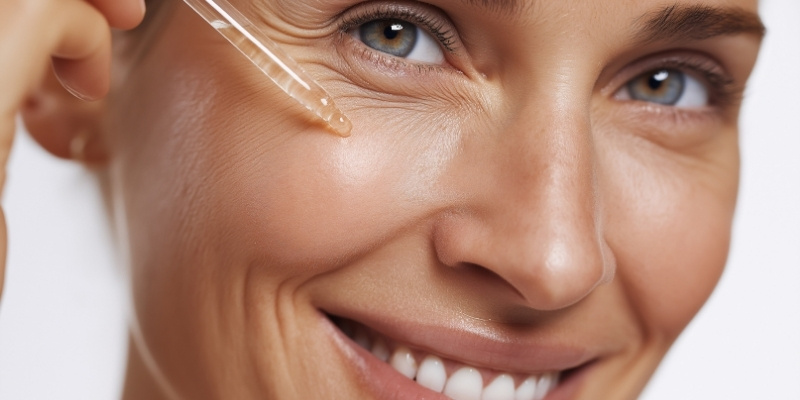
Fine lines around the eyes and mouth tend to look smoother after consistent use. Start with two nights per week and increase slowly. Follow with a simple moisturizer if skin feels dry.
Avoid pairing it with exfoliating acids on the same night.
5. SkinCeuticals Triple Lipid Restore 2:4:2
This cream focuses on restoring the skin’s lipid balance, which declines with age. It contains ceramides, cholesterol, and fatty acids in a ratio that supports elasticity and comfort.
Skin often feels fuller and more flexible after regular use. It works well for dry or mature skin that feels thin or tight.
Apply at night or during colder months when moisture loss increases.
6. First Aid Beauty Ultra Repair Firming Collagen Cream
This option works well for people who want visible softness without a greasy finish. It contains peptides, niacinamide, and collagen-supporting ingredients.
The texture feels comforting and absorbs well. Over time, skin tends to look smoother and more rested, rather than artificially plumped.
It suits both morning and evening routines.
7. Drunk Elephant Protini Polypeptide Cream
This cream focuses on peptides and amino acids that support skin structure. It feels light yet nourishing and layers well with serums.
Many people notice improved bounce and smoother texture after steady use. It pairs well with vitamin C in the morning or gentle activities at night.
A small amount spreads easily, which helps justify the price.
8. RoC Retinol Correxion Deep Wrinkle Night Cream
This is another retinol option that focuses on visible line softening rather than texture overhaul. It works best for people with early signs of aging who want gradual improvement.
Use at night, then apply sunscreen during the day. Redness may occur during the first weeks, so spacing out use helps.
Results tend to look natural rather than dramatic.
9. Paula’s Choice Resist Barrier Repair Moisturizer
This cream blends antioxidants, peptides, and barrier-supporting ingredients in a lightweight texture. It suits combination skin that wants hydration without shine.
It layers well under sunscreen and makeup. Over time, skin tends to look calmer and more even.
It also works well after a gentle exfoliation at night.
10. Vanicream Daily Facial Moisturizer
This option keeps things simple—no fragrance, no unnecessary extras, just hydration and barrier support.
It suits people who use active serums and want a neutral base that will not interfere. Many dermatologists recommend it for sensitive or post-procedure skin.
Consistent use helps maintain smoothness and comfort.
How to Build a Simple Anti-Aging Routine
A routine does not need many steps to work well. The goal is consistency.
Morning
- Gentle cleanser
- Antioxidant serum or lightweight moisturizer
- Sunscreen with broad-spectrum protection
Night
- Cleanser
- Treatment products such as retinol or peptides
- Moisturizer
Layer from lightest to richest. Give each product a minute to settle before adding the next.
Common Mistakes That Slow Results
- Using too many actives at once often causes irritation, which weakens the skin barrier and slows improvement.
- Skipping sunscreen makes anti-aging creams far less effective. Sun exposure breaks down collagen even on cloudy days.
- Switching products too often prevents the skin from adjusting. Most formulas need several weeks to show a change.
- Applying too much product can clog pores and reduce comfort rather than improve results.
What Actually Softens Lines Over Time
Consistent hydration plumps the skin surface. Retinoids support cell turnover. Peptides and antioxidants help maintain structure. Sunscreen protects everything you are trying to improve.
Results tend to appear slowly. Skin looks smoother first, then more even, then slightly firmer.
Choosing the Right Option for You
- If your skin feels tight or sensitive, start with barrier-focused creams.
- If fine lines are your primary concern, look for gentle retinol or peptide formulas.
- If your routine already includes actives, choose a moisturizer that supports rather than competes.
- One well-chosen cream used daily usually outperforms a shelf full of products.
Supporting Your Skin for Lasting Anti-Aging Results
Anti-aging care works best when it supports how skin naturally functions. A calm, consistent routine helps skin look smoother, more precise, and more rested over time. Focus on formulas that feel comfortable, use them regularly, and give your skin space to respond. That approach tends to deliver the most natural results.