Elison E
|
March 5, 2026
Vitamin C serum has become a popular step in many skincare routines, but are you really getting the most out of it? As an antioxidant, vitamin C helps brighten the skin and protect it from environmental damage like UV exposure and pollution.
To get the full benefits, it needs to be used correctly in your routine. That means knowing when to apply it, how to layer it, and which products work well with it.
Choosing the Right Vitamin C Serum for Your Skin Type
The right vitamin C serum depends on your skin type. Different formulas are designed for different concerns and sensitivity levels.
Consider Your Skin Type
If you have oily or acne-prone skin, choose a lightweight, water-based serum with L-ascorbic acid. These textures absorb quickly and won’t feel heavy or clog pores.
If you have dry or sensitive skin, look for formulas with added ingredients like vitamin E or hyaluronic acid. These help reduce irritation and add hydration, making the serum more comfortable to use.
Check the Concentration
Vitamin C serums usually range from 5% to 20%. If you’re new or have sensitive skin, start with a lower concentration and increase gradually. Higher concentrations (15%–20%) can be more effective but may also cause tingling or redness for some people.
Look for Stable Formulations
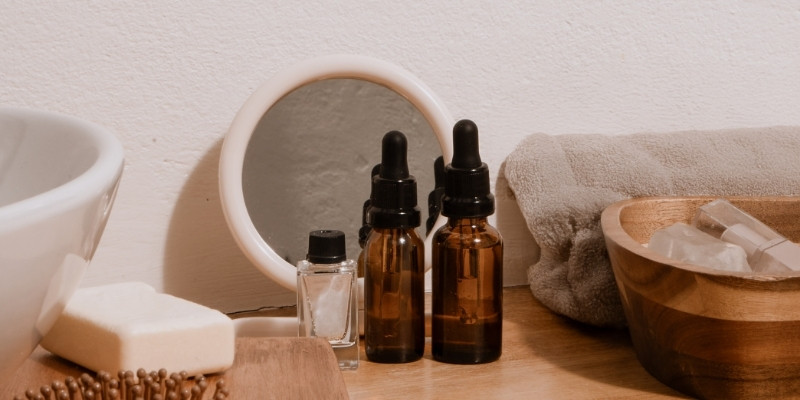
Vitamin C is unstable and can break down when exposed to light and air. Choose products in dark or opaque bottles. Ingredients like ferulic acid can help stabilize the formula and improve its effectiveness.
Consider Additional Ingredients
Some serums include ingredients like niacinamide or peptides, which can help with multiple concerns such as uneven tone and fine lines.
Incorporating Vitamin C Serum into Your Daily Routine

Morning Application for Maximum Benefits
Vitamin C is most commonly used in the morning because it helps support the skin against daily environmental stress like UV exposure and pollution.
After cleansing, apply 2–4 drops onto slightly damp skin. This helps it spread more evenly and reduces the chance of patchiness.
Gently press it into the face and neck instead of rubbing, especially if your skin is sensitive. Wait around 30–60 seconds before moving to the next step so it can settle properly.
Layering with Other Products
A simple order works best: cleanser → toner (if you use one) → vitamin C → moisturizer → sunscreen.
Sunscreen is non-negotiable here, since vitamin C and SPF complement each other in helping reduce visible sun damage over time.
If you’re using exfoliating acids (like AHA/BHA) or retinol, it’s usually better to separate them—vitamin C in the morning, stronger actives at night—to avoid unnecessary irritation.
Nighttime Use for Repair and Renewal
Although morning use is more common, vitamin C can also be used at night. Apply it after cleansing and before your night cream, as long as it doesn’t conflict with other active ingredients in your routine.
Consistency is the Key
Results don’t happen overnight. With steady daily use, many people notice a more even tone and subtle brightness within 4–6 weeks. Some also find it helps fade the look of post-acne marks over time.
Maximizing the Benefits of Vitamin C Serum

Choose the Right Concentration
Start with a moderate strength, usually around 10%–15%, especially if your skin is sensitive or new to vitamin C. Some formulas go up to 20%, but higher concentration can increase the chance of tingling or irritation without necessarily giving better results. The key is consistency, not intensity.
Correct Timing of Application
Vitamin C serum is best applied in the morning after cleansing and before moisturizer. It helps support the skin’s defense against environmental stress during the day. Always follow with sunscreen, since vitamin C works even better when paired with UV protection.
Storage Techniques
Keep the serum in a cool, dark place and tightly sealed. Exposure to air, light, and heat speeds up oxidation. If the liquid turns dark orange or brown, it’s likely less effective.
Additional Tips
Look for stable forms like L-ascorbic acid or derivatives such as sodium ascorbyl phosphate if irritation is a concern. Apply to slightly damp skin for better absorption, and wait a minute before layering other products.
If you’re combining with actives like retinol or acids, consider using them at different times of day to reduce sensitivity. Patch testing first can help avoid unexpected reactions.
Avoid Common Mistakes with Vitamin C Serum
Timing Matters
Using vitamin C in the morning helps protect your skin during the day. If you use it at night, avoid combining it with too many other strong treatments.
Storage Matters
Keep it away from heat and direct sunlight. A drawer or cabinet is better than an exposed shelf.
Less Is More
You only need a small amount—about a pea-sized amount or a few drops. Using too much won’t improve results and may irritate.
Patience Pays
Results take time. With consistent use, you’ll usually see improvements in brightness and skin texture after a few weeks.
Unlocking the Full Potential of Vitamin C in Your Skincare
Adding vitamin C serum to your routine can help improve skin tone and overall radiance. With the right formula, proper application, and consistent use, you can expect brighter and more even-looking skin over time.