Tooba
|
November 15, 2025
Skincare shelves are crowded with promises. Luxurious jars, elegant packaging, and high price tags often suggest better results, yet many people wonder if expensive creams honestly outperform affordable options. The truth is more nuanced. Price alone rarely determines effectiveness, and understanding what actually matters can help you build a routine that supports healthy, youthful skin without unnecessary spending.
This guide examines what you are paying for, what truly affects skin aging, and how to make smarter choices without sacrificing results.
Deconstructing the Luxury Price Tag
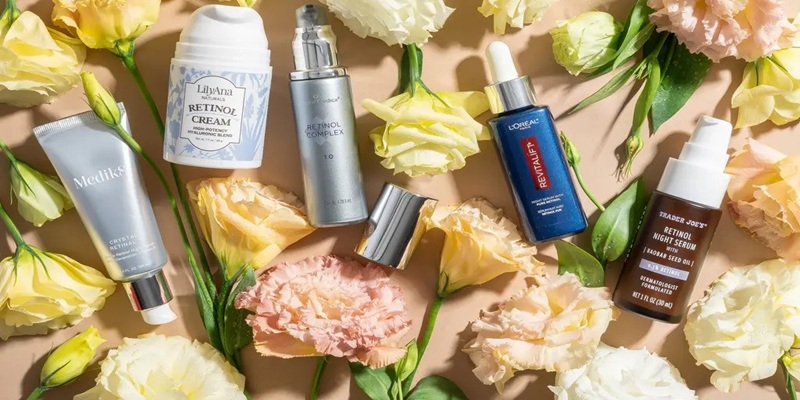
Luxury skincare often creates an emotional experience. Rich textures, refined packaging, and elegant branding influence how a product feels before it ever touches the skin. That experience can shape expectations and perception.
However, sensory appeal does not always equal better performance. Many high-end creams contain similar active ingredients to those in more affordable options. The most common changes are formulation style, branding, and packaging, rather than biological impact.
Feeling good about a product matters, but it does not automatically mean it performs better on the skin.
What Actually Makes a Cream Effective
Effective anti-aging creams share a few common qualities regardless of price.
They focus on:
- Supporting the skin barrier
- Maintaining hydration
- Protecting against environmental Stress
- Encouraging healthy skin renewal
These results are driven by ingredient quality and formulation balance, not cost.
A well-formulated cream that supports barrier health will often outperform an expensive one that overwhelms the skin with unnecessary actives.
Stability vs. Sensory Appeal
Understanding key ingredients helps separate meaningful formulas from marketing hype.
Hydrators And Barrier Supporters
Ingredients like glycerin, ceramides, and fatty acids help skin retain moisture and maintain resilience. This directly improves texture and softness.
Antioxidants
Ingredients such as vitamin E, green tea extract, and resveratrol help protect skin from environmental Stress that contributes to aging.
Peptides
Peptides support skin structure and firmness over time. They work gradually and gently.
Humectants

Hyaluronic acid and similar ingredients help skin look plumper by attracting water.
None of these requires luxury pricing to be effective.
What Higher Prices Often Pay For
Expensive creams often include:
- Luxurious textures
- Fragrance blends
- Elegant packaging
- Brand research and marketing
While some premium brands invest heavily in formulation research, many affordable brands use well-studied ingredients at effective concentrations.
Price does not always reflect performance.
When Paying More Can Make Sense
There are situations where higher-priced products may offer advantages.
Some luxury formulas focus on cosmetic elegance. They feel lighter, absorb faster, and layer beautifully under makeup. For people who value texture and sensory experience, this can improve consistency.
Insomen cases, premium brands also invest in stability testing to ensure ingredients remain effective over time.
Still, these benefits relate more to experience than dramatic differences in results.
When Affordable Products Work Just as Well
Many drugstore and mid-range products contain the same key ingredients used in expensive formulations.
Examples include:
- Ceramides for barrier repair
- Niacinamide for tone and texture
- Hyaluronic acid for hydration
When these ingredients appear in well-balanced formulas, the results can match or exceed those of high-end options.
Consistency and correct usage often matter more than price.
How Skin Type Affects What You Should Spend
Dry skin often benefits from richer textures, available at any price point. The focus should be on lipids and hydration.
Oily or combination skin usually performs best with lightweight formulas that do not clog pores. Many affordable brands do this well.
Sensitive skin may require simpler ingredient lists rather than luxury blends.
Matching products to skin needs matters more than choosing premium labels.
The Role of Routine Over Price
A consistent routine outperforms expensive products used inconsistently.
Using a basic cleanser, moisturizer, and sunscreen daily delivers greater benefit than rotating through costly treatments without a structured routine.
Skin thrives on predictability. Stability supports the barrier and reduces inflammation.
Why Marketing Often Blurs Reality
Many anti-aging claims rely on perception rather than measurable improvement. Words like “lifting,” “firming,” or “rejuvenating” often describe temporary cosmetic effects rather than long-term change.
Understanding ingredient function helps separate real benefits from clever language.
How to Read Labels Without Overthinking
Look at the ingredient list rather than the front of the jar.

Key ingredients should appear near the top. Fragrance-heavy or overly complex formulas may increase irritation without improving results.
Shorter ingredient lists often work better for sensitive or aging skin.
The True Cost of Overusing Products
Using too many products can compromise the skin barrier, leading to redness, dryness, and sensitivity. This often leads people to buy more products to fix the problem.
A simpler routine reduces irritation and saves money over time.
Building a Cost-Effective Anti-Aging Routine
A balanced routine includes:
Morning
- Gentle cleanser
- Hydrating serum
- Moisturizer
- Sunscreen
Night
- Cleanser
- Treatment or hydration step
- Moisturizer
This structure works at any budget level.
Where to Invest and Where to Save
Worth investing in:
- Sunscreen
- Moisturizer that supports your skin type
Areas to save:
- Cleansers
- Basic hydrating serums
These products work similarly across price ranges.
How Long Does It Take to See Real Results
Skin renewal takes time. Visible improvements usually appear after several weeks of consistent use.
Rapid results often come from hydration rather than structural change. Long-term improvements require patience.
How to Tell If a Product Is Working
Healthy skin feels comfortable and balanced. Redness reduces. Texture looks smoother under natural light.
If irritation occurs, the product may not be suitable regardless of cost.
The Economics of a Resilient Complexion
Building an effective routine is less about the total cost and more about the strategic investment in stable, proven ingredients. Clinical research highlights that daily sun protection and moisture management are the primary drivers of skin longevity, regardless of the product’s price point. A healthy skin barrier is characterized by functional comfort and a visible reduction in redness, rather than by temporary cosmetic effects.
Experts suggest that simple, consistent daily habits, such as sleep and Stress management, amplify the benefits of any skincare regimen. By prioritizing these foundations over marketing-driven trends, you save money while ensuring your dermal matrix remains balanced, healthy, and supported through every biological shift.
Why Simplicity Often Wins
Complex routines increase the risk of irritation and inconsistency. Simple routines encourage long-term use, which leads to better outcomes.
Effective skincare does not need to be complicated or expensive.
Strategic Choices for Long-Term Health
Expensive creams are not automatically better. What matters most is how well a product supports your skin’s natural balance. When hydration, barrier support, and consistency come together, skin can look smoother, healthier, and more resilient over time. Thoughtful choices often outperform high price tags, making effective skincare accessible to everyone.