Tooba
|
November 2, 2025
Overusing exfoliating acids can leave skin feeling tight, reactive, and unfamiliar. What once looked brighter may suddenly feel inflamed or fragile. This usually indicates the skin barrier has been pushed beyond its capacity to handle. Repairing it does not require complicated routines or harsh treatments. It requires patience, strategic care, and consistent use of the right products.
This guide explains how to calm stressed skin, rebuild strength, and return to a balanced, healthy appearance without overcorrecting.
Identifying a Compromised Skin Barrier
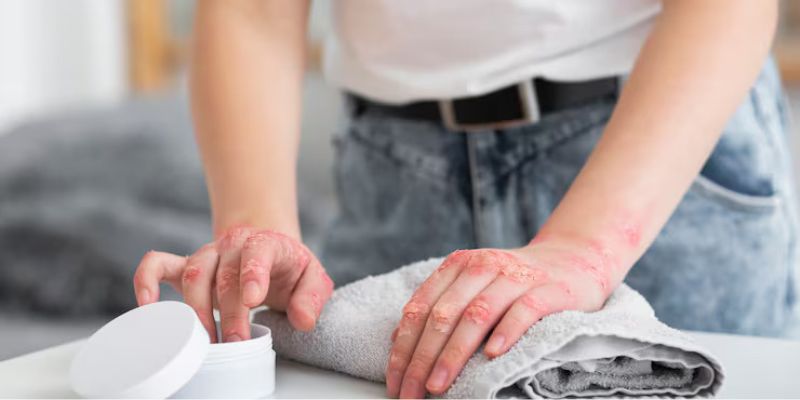
A damaged barrier often shows up before you realize what caused it. Skin may sting when applying products that once felt fine. Redness lingers longer than usual. Makeup sits unevenly or flakes by midday.
Common signs include:
- Tightness after cleansing
- Sensitivity to products you have used for years
- Dry patches that do not respond to moisturizer
- A shiny yet dehydrated appearance
When these signs appear, it is time to pause active ingredients and focus on recovery.
The Physiology of Barrier Disruption
Acids such as glycolic, lactic, and salicylic help exfoliate and smooth the skin. When used too often or layered incorrectly, they weaken the protective barrier that keeps moisture in and irritants out.
This barrier acts like a shield. When compromised, water escapes more easily, and inflammation increases. Repairing it means slowing down and rebuilding that protective layer.
Step One: Stop All Active Treatments Temporarily
The first step is giving the skin space to recover. This means pausing exfoliating acids, retinoids, and strong vitamin C products.
Even gentle activities can delay healing when the barrier is damaged. Focus only on calming and hydrating products for at least one to two weeks.
This pause allows the skin to regain stability.
Step Two: Use a Gentle Cleanser Only
Cleansing should feel comforting, not drying. Avoid foaming formulas or those designed for oil control.
What to look for
- Cream or lotion textures
- Ingredients like glycerin, ceramides, or colloidal oatmeal
- No fragrance or exfoliating beads
Product examples
- CeraVe Hydrating Facial Cleanser
- La Roche-Posay Toleriane Hydrating Cleanser
Cleanse once or twice daily, as needed. Use lukewarm water and minimal pressure.
Step Three: Restore Moisture and Barrier Function
Rebuilding the skin barrier depends on hydration and lipids. Look for moisturizers that replenish what the skin has lost.
Ingredients that support repair
- Ceramides to rebuild structure
- Cholesterol to support flexibility
- Fatty acids to prevent moisture loss
- Panthenol for calming support
Reliable options
- CeraVe Moisturizing Cream
- Vanicream Daily Facial Moisturizer
- La Roche-Posay Cicaplast Baume B5
Apply generously, especially at night. Skin often responds well to slightly thicker textures during recovery.
Step Four: Simplify Your Routine Completely
A repaired barrier depends on consistency, not complexity.
Morning routine
- Gentle cleanser or water rinse
- Moisturizer
- Mineral sunscreen
Night routine
- Cleanser
- Moisturizer
Avoid layering multiple products. Lower friction and fewer ingredients allow skin to stabilize more quickly.
Why Sunscreen Still Matters During Recovery
Even when the skin feels sensitive, sun protection remains essential. UV exposure worsens inflammation and slows healing.
Choose a mineral sunscreen with zinc oxide. These tend to feel calmer on compromised skin.
Good options include:
- EltaMD UV Physical SPF 41
- Biossance Squalane and Zinc SPF 30
Apply gently and avoid rubbing.
What to Avoid While Healing
Scrubs or exfoliating tools can physically irritate and damage the barrier
Hot water or steam: increases redness and moisture loss
Fragrance or essential oils: may trigger sensitivity
Alcohol-based toners: dry out skin and delay repair
Over-layering products: adds friction and Stress to compromised skin
How Long Barrier Repair Takes
Most people notice improvement within one to two weeks when irritants are removed. Full recovery can take several weeks, depending on the severity of damage.

Initial improvement: 1–2 weeks for reduced redness, better comfort, and moisture retention
Full recovery: several weeks,s depending on damage severity
Avoid rushing: returning tasks too early can cause setbacks
Consistency matters: gentle daily care speeds up healing
Monitor progress: ensure skin feels stable before reintroducing treatments
DetermiSDetermiSkin'sss
When to return to active treatments requires careful observation of the skin's bskin'se comfort level. While initial improvements often appear within two weeks, full physiological recovery can take significantly longer, depending on the extent of the initial damage. Your skin is ready for reintroduction once it no longer stings when you apply basic moisturizers and maintains a smooth texture throughout the day.
Experts recommend starting with a single gentle activity, used only twice per week, to assess tolerance. Applying these treatments to dehydrated skin helps prevent over-penetration and minimizes the risk of a relapse into sensitivity. Patience is more critical than product strength during this transition.
Building a Balanced Routine After Recovery
A balanced routine protects progress without overwhelming the skin.
Morning routine:
Gentle cleanser to remove impurities without stripping moisture
Hydrating serum to support barrier function and maintain comfort
Mineral sunscreen to protect against UV damage and prevent relapse
Night routine:
Cleanser to remove sunscreen and pollutants
Treatment product (use 1–2 times per week) to gradually reintroduce actives
Moisturizer to lock in hydration and reinforce barrier recovery
Practical tips:
Keep routines simple to avoid overloading the skin
Observe how skin responds before adding new products
Prioritize hydration and barrier support over aggressive correction
What Actually Helps Skin Recover Faster
Consistency and patience matter more than any product. Hydration helps the barrier rebuild. Reducing friction prevents further damage. Avoiding temperature extremes allows skin to regulate itself.
Sleep, hydration, and Stress management also play a role in recovery.
Common Mistakes That Slow Healing
Switching products too often confuses the sk"n. Using soothing products with hidden irritants can delay healing.
Assuming peeling means progress often leads to more damage.
Gentle care consistently outperforms aggressive correction.
Long-Term Protection Strategies
- Use actives sparingly rather than daily.
- Choose fragrance-free formulas when possible.
- Focus on hydration before correction.
These habits help maintain balance long after recovery.
Sustainable Skin Health Through Barrier-First Care
Repairing the barrier is a straightforward process that responds to gentle, consistent intervention rather than aggressive correction. By prioritizing barrier restoration and choosing calming, fragrance-free ingredients, your complexion can naturally regain its resilience. This shift" toward"a' Ski'a' Ski'Streaming"phy protects your progress and prevents the cycle of inflammation that often follows product overload.
Long-term health is achieved by using potent actives sparingly and focusing on hydration before correction. With a steady, simplified routine, your skin regains a healthy, sustainable appearance that feels comfortable in every season.