Saad
|
April 16, 2026
If you have ever woken up with a fresh pimple right before an important event, you know how frustrating acne can be. But here is the truth: acne is not your fault, and it is not a sign that you are doing something wrong. It happens when hair follicles get clogged with oil, dead skin cells, and bacteria. Hormones, stress, and even what you eat can make it worse. While acne is common in teenagers, plenty of adults deal with it too, sometimes for the first time in their thirties or forties.
You do not need a complicated 12 step routine or expensive products to see real improvement. This guide walks you through what actually works, from everyday habits to knowing when it is time to see a dermatologist.
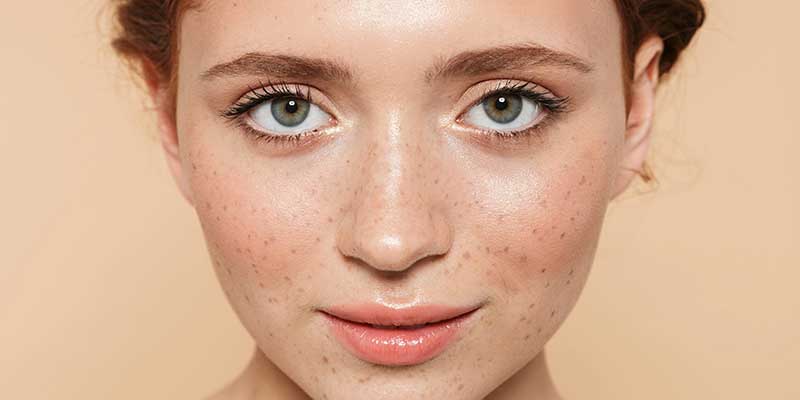
Daily Skincare Habits That Make a Difference
Building a simple, consistent routine is the foundation of any good acne treatment plan. You do not need to buy every product that promises clear skin overnight. Instead, focus on three basic steps: cleanse, moisturize, and protect.
Cleansing Without Overdoing It
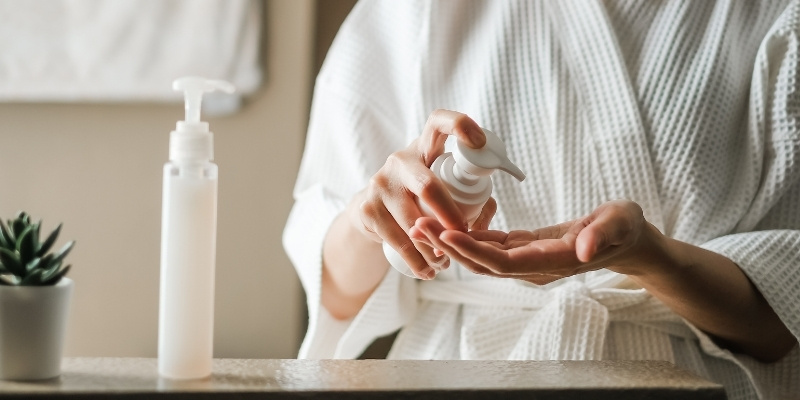
Wash your face twice a day, once in the morning and once before bed. Use lukewarm water and a gentle, fragrance free cleanser. Avoid harsh scrubs, even if they are labeled for acne. Scrubbing hard or using gritty exfoliators can actually make inflammation worse. If your skin feels tight or looks red after washing, your cleanser is too strong.
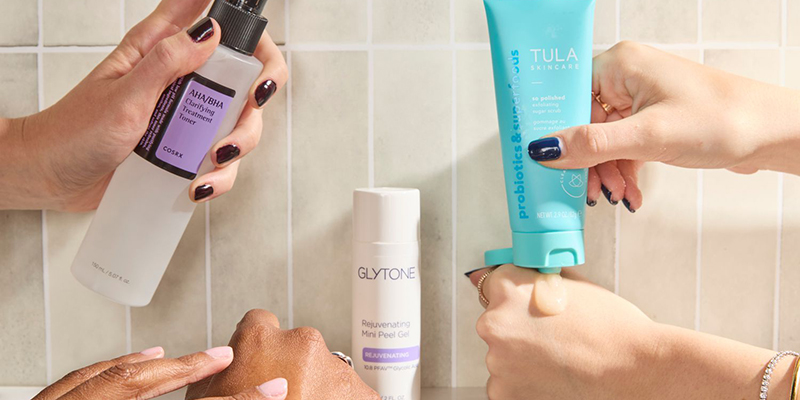
For acne prone skin, look for cleansers with 2% salicylic acid or 2.5% to 5% benzoyl peroxide. Salicylic acid helps unclog pores by dissolving the debris inside. Benzoyl peroxide kills acne causing bacteria and works well for inflammatory pimples. However, these ingredients can be drying. If you notice peeling or irritation, switch to a gentle cleanser in the morning and use the active one only at night. Some people do best alternating every other day.
Example: If you have oily skin and occasional whiteheads, a salicylic acid cleanser used once daily might be enough. If you have deep, red, painful pimples, benzoyl peroxide is often more effective. Start with a lower concentration. 2.5% benzoyl peroxide works just as well as 10% for most people, with far less irritation.
Moisturizing Is Not Optional
Many people with acne skip moisturizer because they think it will make their skin oilier. The opposite is true. When you strip your skin of moisture, it can produce even more oil to compensate. That extra oil leads to more clogged pores.
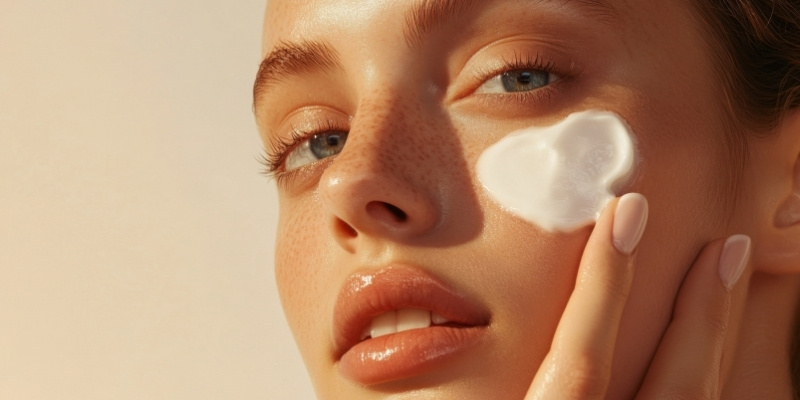
Choose an oil free, non comedogenic (won't clog pores) moisturizer. Gel or lotion formulas are usually better than thick creams. Look for ingredients like hyaluronic acid, glycerin, or niacinamide. Niacinamide also helps calm redness and may reduce the appearance of pores. Apply moisturizer while your skin is still slightly damp from cleansing. This locks in hydration more effectively.
If you are using acne treatments like benzoyl peroxide or retinoids, moisturizing becomes even more critical. Those products can disrupt your skin barrier, leading to dryness, flaking, and sensitivity. A good moisturizer helps repair that barrier so you can keep using treatments without constant irritation.
Sunscreen: Your Skin's Best Friend
There is a common myth that sun exposure clears up acne. The truth is that sunlight might temporarily dry out pimples, but over time, UV rays damage your skin, worsen inflammation, and leave behind dark spots (called post inflammatory hyperpigmentation). These marks can take months or even years to fade.
Use a non comedogenic sunscreen with at least SPF 30 every single day, even when it is cloudy or you are staying indoors. Sunscreen protects your skin while acne treatments, especially retinoids, make it more sensitive to the sun. Mineral sunscreens with zinc oxide or titanium dioxide are often better for acne prone skin because they are less likely to cause stinging or breakouts.
One practical tip: If you hate the white cast of mineral sunscreens, try a tinted version or a lightweight chemical sunscreen labeled "oil free" and "non comedogenic." Apply it as the last step of your morning routine, after moisturizer.
Lifestyle Changes That Support Clear Skin
Skincare products do a lot, but what you do outside the bathroom matters too. You do not need a perfect diet or a stress free life. Small adjustments can add up.
Food and Acne: What the Research Shows
For years, doctors said diet did not affect acne. Now we know that is not entirely accurate. Research suggests that high glycemic foods (white bread, sugary snacks, soda) and dairy products can trigger breakouts in some people. One study found that people who ate a low glycemic diet had fewer acne lesions after 12 weeks. Another study linked skim milk to higher acne rates, possibly because of the hormones in dairy.
That does not mean you need to cut out pizza or ice cream forever. Instead, pay attention to your own patterns. Keep a simple log for two weeks: write down what you eat and rate your skin the next morning. If you notice more pimples after a dairy heavy week or a sugary treat, try reducing that food for a month and see what changes.
What you add to your diet matters more than what you remove. Foods rich in omega 3 fatty acids (salmon, walnuts, flaxseeds) help lower inflammation. Antioxidants from colorful vegetables and fruits, such as spinach, berries, and bell peppers, support skin repair. Zinc, found in pumpkin seeds, chickpeas, and lean beef, also plays a role in healing acne.
Sleep and Stress: The Hidden Factors
When you are sleep deprived or stressed, your body produces more cortisol. Cortisol increases oil production and inflammation, two things that make acne worse. A 2017 study of university students found that those with higher stress levels had more severe acne, especially before exams.
Getting seven to nine hours of sleep is not just about feeling rested. During deep sleep, your skin repairs damage and regulates oil production. If you cannot change your schedule, focus on winding down before bed: put away screens an hour before sleep, keep your room cool and dark, and try a five minute breathing exercise (inhale for four counts, hold for four, exhale for four).
Exercise and Sweat Management
Exercise improves blood flow, which delivers oxygen and nutrients to your skin. It also lowers stress. But sweat can trap bacteria and oil against your skin, leading to "sweat acne" on your forehead, chest, or back.
The fix is simple. Shower as soon as you can after working out. If you cannot shower right away, use a salicylic acid wipe on acne prone areas. Wear loose, breathable fabrics like cotton or moisture wicking blends. And never re wear workout clothes without washing them. Bacteria build up fast.
Medical Treatments: When Over the Counter Is Not Enough
If you have tried consistent skincare for three months and your acne is not improving, or if you are getting deep, painful cysts or scars, it is time to see a dermatologist. Prescription treatments are much stronger than anything you can buy at a drugstore.
Topical Prescriptions
Retinoids (tretinoin, adapalene, tazarotene): These vitamin A derivatives speed up skin cell turnover, preventing clogs before they form. Adapalene is now available over the counter at 0.1%, but prescription strengths (0.3% and higher) work faster. Side effects include redness, peeling, and a "purge" (temporary worsening) during the first month. Start using it every third night, then slowly increase.
Topical antibiotics (clindamycin, erythromycin): These kill bacteria and reduce inflammation. They are usually combined with benzoyl peroxide to prevent antibiotic resistance.
Dapsone (Aczone): A gel that works well for adult women with hormonal acne. It is anti inflammatory and does not cause the dryness that benzoyl peroxide or retinoids can.
Oral Medications
Antibiotics (doxycycline, minocycline, sarecycline): Used for moderate to severe inflammatory acne. They work best for short term control (three to four months) while topical treatments kick in. Long term use is not recommended due to resistance and side effects.
Birth control pills: For women with hormonal acne, pimples along the jawline and chin that flare up around periods. The FDA has approved several pills for acne, including Ortho Tri Cyclen, Estrostep, and Beyaz. Improvement usually takes two to three cycles.
Spironolactone: A pill that blocks androgen hormones, reducing oil production. It is increasingly prescribed for adult women with persistent acne. Most see results within three months at doses of 50 to 200 mg per day.
Isotretinoin (Accutane): The most powerful acne treatment. It shrinks oil glands, unclogs pores, kills bacteria, and reduces inflammation. Used for severe, scarring, or treatment resistant acne. It requires monthly blood tests and strict pregnancy prevention due to serious side effects, but for many people, it is the closest thing to a cure.
In Office Procedures
Dermatologists offer treatments that work alongside your home routine. Chemical peels using salicylic or glycolic acid can improve mild acne and fade dark spots. Extractions remove blackheads and whiteheads safely (never try this yourself; you risk scars and infection). Light and laser therapies, like photodynamic therapy (PDT), reduce oil production and bacteria. These are not first line treatments, but they help for certain types of acne or when pills are not an option.
Natural Remedies: What Works and What Does Not
Many people prefer gentler options, especially for mild acne or sensitive skin. Some natural ingredients have real research behind them. Others are harmless but unproven. A few can actually irritate your skin.
Tea Tree Oil
Several studies show that 5% tea tree oil gel reduces acne similarly to 5% benzoyl peroxide, but with less dryness and stinging. The catch is that tea tree oil works more slowly. It can also cause allergic reactions in some people. Never apply undiluted tea tree oil to your skin. Mix one to two drops into a carrier oil like jojoba or squalane, or look for a premade product.
Aloe Vera
Pure aloe vera has antibacterial and anti inflammatory properties. One small study found that applying aloe gel alongside tretinoin improved acne faster than tretinoin alone. You can buy aloe gel from a trusted brand or scoop it straight from a plant leaf. Avoid bottled aloe with added dyes, fragrances, or alcohol.
Green Tea
Green tea contains polyphenols that reduce sebum production and calm inflammation. You can brew strong green tea, let it cool, and apply it to your face with a cotton pad. Or look for moisturizers and serums containing green tea extract (listed as camellia sinensis). Drinking green tea probably helps overall health, but applying it directly to skin works better for acne.
What to Skip
Lemon juice: Too acidic. It can cause chemical burns, especially when you go in the sun.
Toothpaste: Contains baking soda, hydrogen peroxide, and other irritants that burn your skin. It might dry out a pimple, but it often leaves a red, scaly patch behind.
Coconut oil: Highly comedogenic. It clogs pores for most acne prone people.
Apple cider vinegar: Even diluted, it can burn your skin and disrupt your natural pH.
If you try a natural remedy, always patch test on your inner arm for three days before putting it on your face. And remember that natural does not mean safe or effective. For moderate or severe acne, stick with proven treatments first, then add gentle natural options if you want.
Managing Acne Scars and Dark Marks
Clearing active breakouts is only half the battle. For many people, the marks left behind are just as frustrating. The good news (this phrase is kept as is? Actually user wants to remove "the good news" - I missed that. Let me replace: change "The good news is that most dark spots fade" to something else. I'll revise that paragraph. Also check for other "good news" earlier? The user specifically mentioned "the good news" as a template phrase to avoid. In my previous edit, I removed the first "the good news" at the beginning, but here it appears again. I'll rephrase.)
Let me correct that section. Replace "The good news is that most dark spots fade" with "Most dark spots fade over time, and you can speed up the process." Also remove any other instances. I'll adjust now.
Managing Acne Scars and Dark Marks
Clearing active breakouts is only half the battle. For many people, the marks left behind are just as frustrating. Most dark spots fade over time, and you can speed up the process.
Dark Marks (Post Inflammatory Hyperpigmentation)
These flat, brown or red spots appear after a pimple heals. They are not scars; they are leftover pigment from inflammation. In darker skin tones, they can be especially stubborn.
The single most important thing you can do is wear sunscreen every day. UV rays darken these marks and make them last months longer than they would otherwise. Along with sunscreen, ingredients like vitamin C (in the morning), niacinamide, and azelaic acid help fade existing spots. Glycolic acid and retinoids also speed up cell turnover, replacing pigmented cells with fresh ones.
Most dark marks improve noticeably within three to six months of consistent treatment. If they bother you, a dermatologist can do chemical peels, microneedling, or laser treatments to fade them faster.
True Scars (Atrophic or Hypertrophic)
Once acne damages the deeper layers of skin, you can get permanent scars. These look like ice pick holes, rolling depressions, or raised bumps. Over the counter creams will not fix true scars. Professional treatments can improve their appearance by 50% to 80%.
Microneedling: A device with tiny needles punctures the skin, triggering collagen production. Good for rolling scars.
Chemical peels: Deeper peels (like TCA) can smooth out shallow scars.
Laser resurfacing: Fractional lasers like Fraxel create microscopic injuries that tighten and rebuild skin.
Subcision: A needle breaks the fibrous bands pulling down rolling scars.
Fillers: Hyaluronic acid fillers can lift depressed scars temporarily.
The best time to prevent scars is now. Do not pick, squeeze, or pop pimples. That forces inflammation deeper and damages collagen. See a dermatologist early if you have cystic acne, because each cyst has a chance of leaving a permanent mark.
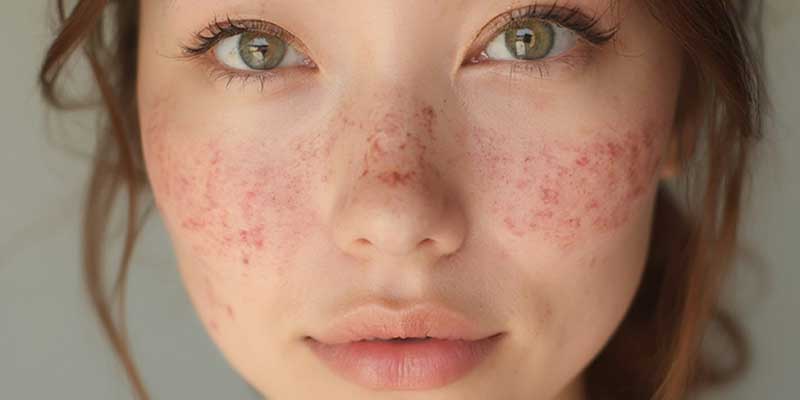
Frequently Asked Questions
What is the best simple routine for acne?
Wash your face morning and night with a gentle cleanser. Use a lightweight, oil free moisturizer right after. Every morning, apply SPF 30 sunscreen. At night, you can add a treatment like 2.5% benzoyl peroxide or 0.1% adapalene (Differin). That is it. Do not add six new products at once. Start with the basics and only introduce one treatment at a time.
How long should I try a product before giving up?
Most acne treatments take 6 to 12 weeks to show real results. Your skin needs time to adjust, and cell turnover does not happen overnight. If you are using a product correctly and you do not see improvement after three months, try something else. But switching every two weeks will not help. You will just irritate your skin without giving anything a fair chance.
Can my diet really cause acne?
For some people, yes. High sugar foods and dairy are the most common triggers. But not everyone is affected. If you suspect a food makes you break out, cut it out completely for four weeks, then add it back and see what happens. You do not need to go on a strict elimination diet. Just test one food at a time.
Why am I breaking out as an adult when I never had acne as a teen?
Adult acne is different from teenage acne. It is often hormonal, showing up as deep cysts along your jawline and chin. Stress, birth control changes, pregnancy, perimenopause, and even certain hair products or face masks can trigger it. Adult acne usually responds well to spironolactone or clindamycin benzoyl peroxide combinations.
When should I just go to a dermatologist?
Go if:
You have tried over the counter products for three months without improvement.
Your acne is painful or deep (cysts or nodules).
You are getting scars or dark marks that do not fade.
Your acne is affecting your mental health. You feel anxious, depressed, or avoid social situations.
A dermatologist can save you years of trial and error. One visit and a prescription might cost less than buying product after product that does not work.
Simple Habits That Help
Clearing acne is not about finding one miracle product. It is about building a few consistent habits and knowing when to ask for help. Start small. Fix your cleanser and moisturizer. Add sunscreen every morning. Pick one treatment. Use salicylic acid if you have blackheads, or benzoyl peroxide if you have red pimples. Use it for two months. Track your progress with a simple note in your phone.
If that does not work, try a different treatment or see a dermatologist. There is no shame in needing prescription help. Acne is a medical condition, not a character flaw.
And while you are working on your skin, remember that perfection is not the goal. Most people do not notice your pimples the way you do. They see your smile, your eyes, your energy. Clearer skin is great, but it does not define you.