Andy
|
December 11, 2025
Exfoliation is a pivotal practice for maintaining healthy skin, as it effectively removes dead skin cells while promoting cellular turnover. Yet, individuals with sensitive skin face unique challenges, experiencing irritation and redness more frequently during this process. This article delves into gentle exfoliation methods that allow for skin renewal without compromising comfort.
Why Sensitive Skin Requires Gentle Exfoliation
Sensitive skin is a common condition characterized by heightened reactivity to various stimuli, leading to symptoms such as redness, itching, and burning. Those with sensitive skin often feel discomfort when exposed to specific products, environmental triggers, or dietary elements.
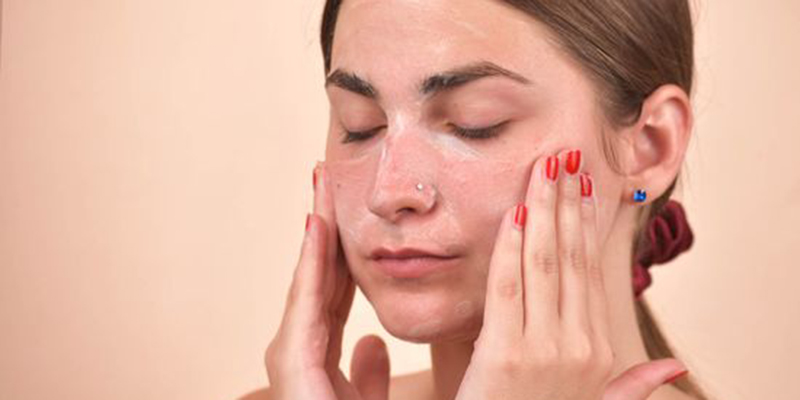
Common culprits include harsh skincare items, extreme environmental conditions, allergens, and particular foods. Studies indicate that over 50% of adults consider their skin sensitive, underscoring the need for gentle exfoliation strategies tailored for this demographic, empowering them to achieve a radiant, balanced complexion without the dread of irritation.
The Benefits Of Exfoliation
Regular exfoliation removes dead skin cells from the skin's surface, promoting the regeneration of healthy skin and improving skin texture and tone. It also effectively prevents clogged pores and a dull complexion.
For people with sensitive skin, exfoliation methods can be broadly divided into two categories: physical exfoliation and chemical exfoliation.
Physical exfoliation involves manually scrubbing the skin with abrasive materials, such as scrubs or brushes. While effective, this technique can irritate sensitive skin if applied too aggressively. Chemical exfoliation implements alpha hydroxy acids (AHAs) and beta hydroxy acids (BHAs) to dissolve dead skin cells.
Choosing Gentle Exfoliation Products
Physical Exfoliators
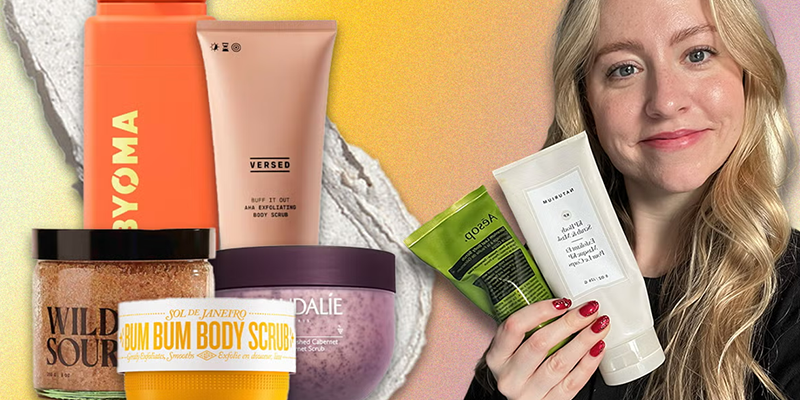
Physical exfoliators use granules to remove dead skin cells manually. To be suitable for sensitive skin, these exfoliators should be gentle and composed of fine textures that minimize skin trauma. For instance, oatmeal and sugar-based scrubs are remarkable options given their soft characteristics.
When applying physical exfoliators, it is crucial to use light pressure in circular motions to avert irritation. Exfoliating no more than once or twice weekly is advisable, as excessive use can lead to redness and heightened sensitivity. After exfoliation, ensure to follow up with a soothing moisturizer to replenish lost hydration.
Chemical Exfoliators
Chemical exfoliators use acids to dissolve dead skin cells, thereby encouraging gentle cell turnover. Those with sensitive skin should consider using alpha-hydroxy acids (AHAs), such as lactic acid, and beta-hydroxy acids (BHAs), such as salicylic acid. These alternatives are effective yet milder, facilitating unclogging of pores without the abrasive actions seen in physical scrubbing. Conduct a patch test before introducing these exfoliants into your routine to identify adverse reactions. Beginners should start with lower concentrations—around 5% for AHAs and 1% for BHAs—and gradually increase the strength as the skin builds tolerance.
5 Gentle Exfoliation Products
Here are five popular gentle exfoliation products that are well-regarded for their effectiveness and mildness:
1. Paula'ss Choice Skin Perfecting 2% BHA Liquid Exfoliant: This leave-on liquid exfoliant contains salicylic acid (beta-hydroxy acid) that gently exfoliates and unclogs pores, suitable for all skin types, especially those prone to blemishes.
2. The Ordinary Lactic Acid 5% + HA: Offering mild exfoliation with lactic acid, this treatment helps to improve uneven tone and texture while promoting smoother, more radiant skin. Enhanced with hyaluronic acid, it also offers hydration.
3. Drunk Elephant T.L.C. Sukari Babyfacial: This at-home facial contains a blend of glycolic, tartaric, lactic, citric, and salicylic acids to gently exfoliate and resurface the skin, revealing a brighter, more even complexion.
4. Fresh Sugar Face Polish: A gentle exfoliating scrub made with real brown sugar and strawberries, this product helps to slough away dead skin cells while hydrating with its natural oils, leaving skin soft and glowing.
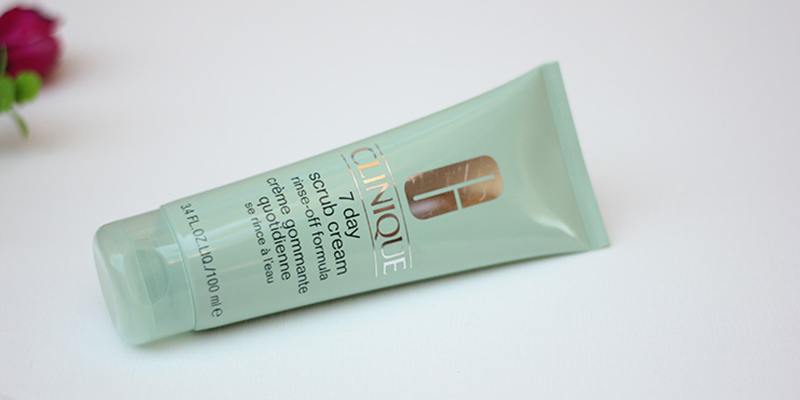
5. Clinique 7 Day Scrub Cream Rinse-Off Formula: Designed for daily exfoliation, this creamy scrub contains fine granules to polish the skin, improving texture without irritation.
When using exfoliation products, it's essential to follow up with a good moisturizer and sunscreen to protect the newly revealed skin. Always perform a patch test when trying new products, especially if you have sensitive skin.
Exfoliation Frequency And Application Techniques
1. Frequency For Sensitive Skin:
For sensitive skin, exfoliate once a week to prevent irritation.
Some tolerant skin types can exfoliate twice a month under observation.
2 . Gentle Application Technique:
Start gently with mild exfoliants, such as lactic or mandelic acid.
Dampen the skin before application for better absorption.
Use gentle circular motions, avoiding harsh scrubbing.
Allow the product to sit for a few minutes before rinsing with lukewarm water.
3 . Post-Exfoliation Care:
Follow up with a soothing, hydrating serum or moisturizer.
Restore the skin barrier and prevent irritation.
Adjust the routine based on individual skin reactions to exfoliation.
Why Moisturizing After Exfoliation Is Essential
Why Hydration Matters:
Exfoliation exposes delicate skin layers, making hydration vital for recovery.
Moisturizing replenishes moisture, strengthens the skin barrier, and aids healing.
Choosing The Right Moisturizer:
Opt for fragrance-free, hypoallergenic formulas to reduce the risk of irritation.
Seek soothing ingredients like aloe vera and chamomile for anti-inflammatory benefits.
Gel-based moisturizers provide lightweight hydration without pore congestion.
Benefits Of Proper Hydration:
Prevents sensitivity and discomfort post-exfoliation.
Enhances skin comfort and overall health.
By integrating these hydration practices into your routine, your skin will stay healthy and hydrated, ready to face the day ahead.
Expert Insights On Gentle Exfoliation
Many people with sensitive skin report better results when switching to gentler exfoliation methods, noting improvements in skin smoothness and fewer flare-ups of irritation over time. Rather than relying on aggressive scrubs, they tend to favor low-strength chemical exfoliants or finely milled, non-abrasive formulas that respect the skin barrier. Dr. Emily Chen, a board-certified dermatologist, adds valuable insight regarding product selection for sensitive " k"n" "Seek exfoliants with natural components such as lactic acid or oat extracts, both of which are effective yet gentle. Always perform a patch test before full application to avoid a negative reaction."
Dr. Chen further advises steering clear of physical scrubs with coarse particles, which can lead to microtears. She advocates for mild chemical exfoliants used no more than bi-weekly, paired with a soothing moisturizer. This synergistic method can enhance skin brightness while significantly reducing the risk of irritation.
When making product choices, favor fragrance-free options and those specifically formulated for sensitive skin to ensure compatibility. Educating oneself about ingredients and recognizing personal skin needs are integral to maintaining a balanced and healthy complexion.