Faith
|
May 6, 2026
Adult acne can be especially frustrating and can arise due to stress, changes in hormones, and even certain foods that are consumed late at night. The irritation burns more if adult acne is accompanied by the stubborn dark spots that are the remnants of old breakouts. A routine can be developed that can clear this up easily without using overly harsh products.
What Causes These Skin Woes in Adults
Adult acne in women is usually triggered by hormones: perimenopause, polycystic ovary syndrome, or stopping birth control pills. Hormones increase sebum and clog pores, causing inflamed cysts along the jawline. Inflammation then activates melanocytes, leaving dark spots after pimples heal.
Use azelaic acid (10% to 15%) to treat both active acne and pigmentation, or use benzoyl peroxide 2.5% as a spot treatment for cysts plus niacinamide 5% all over for fading marks.

Key Ingredients That Make a Difference
Salicylic acid is highly effective at unclogging pores and should be used at about 2% in both cleansers and serums. This acid is great because it penetrates oil without drying the skin.
Niacinamide at 5% is great because it reduces redness, evens out the skin, and is excellent for combination skin. It pairs well with vitamin C and its derivatives, such as ascorbyl glucoside, to help reduce dark spots. Just be sure to use it in stable forums so that the skin does not get irritated.
Benzoyl peroxide is effective in killing the bacteria that cause acne. Be sure to start with a low concentration of 2.5% to minimize the risk of dryness.
As for hyperpigmentation, azelaic acid works nicely. In addition to being a melanin inhibitor, azelaic acid also helps calm breakouts, which is ideal for sensitive types.
Morning Steps to Kickstart Your Day
- Gentle Cleanse: Use a salicylic acid foam cleanser. Massage for 30 seconds, then rinse with lukewarm water. This cleans the skin of overnight build-up and won't aggravate skin irritation.
- Tone and Treat: Add a niacinamide serum. Pat 5 drops onto the entire face, and wait a minute before moving to the next step. This helps the skin retain moisture and protects it from daily pollution.
- Brighten Up: Use a vitamin C serum next. 3 drops are more than enough. Concentrate it on the cheeks and the forehead. Wait about 2 minutes. After that, you can go on to the last step of the morning routine.
- Hydrate and Protect: Use a lightweight moisturizer. Make sure it contains hyaluronic acid. This step is the most important. You must wear SPF 30 or higher to protect against the sun. You must also reapply sunscreen at least every 2 hours when you're outside. This step is crucial for protecting your skin from getting darker.
Evening Routine for Overnight Repair
- Double Cleanse if Needed: If you wear makeup, start your routine with an oil-based cleanser to remove it. After that, you can wash your face with the salicylic acid cleanser to unclog your pores.
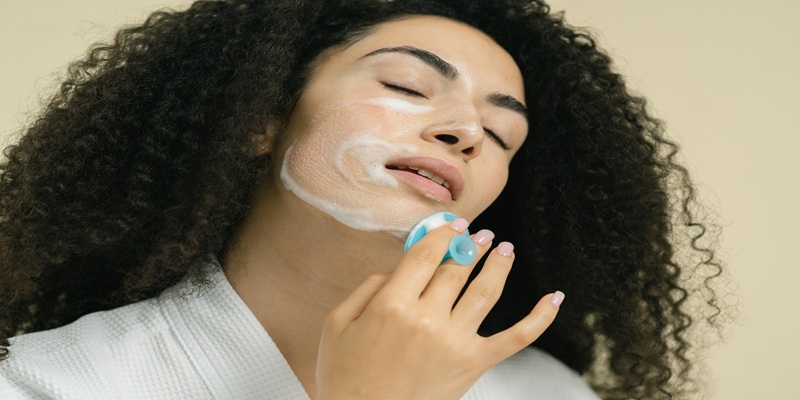
- Exfoliate Gently: Use a chemical exfoliant, maybe 7% glycolic acid, on a pad, and do one swipe over your entire face. Do that twice a week, and make sure to skip the area around your eyes. This removes dead skin that clogs your pores.
- Target treatments: Place benzoyl peroxide on active breakouts - a dot the size of a pea on the blemishes. Then layer azelaic acid serum to even the skin tone.
- Moisturize: Use a thicker ceramide cream to strengthen the skin's barrier. If your skin feels dry, use a hyaluronic acid booster underneath.
Weekly Add-Ons for Extra Boost
- Masks: Once a week, try a kaolin clay mask to draw out impurities. Leave it on for 10 minutes, then rinse the mask off. Follow this with a niacinamide-infused hydrating sheet mask.
- Spot Treatments: For stubborn cystic acne, patching them with a hydrocolloid patch overnight works well. This will pull out the pus and won't cause scars or hyperpigmentation.
- Professional Peels: Try a lactic acid peel at home once a month - start with a 5-10% strength. These gently resurface, but be sure to patch test first to prevent burns.
Lifestyle Tweaks That Support Your Skin
Diet: Reduce skim milk and high glycemic foods (white bread, white rice, sugary drinks). They raise insulin like growth factor 1, increasing sebum. Eat salmon or sardines twice weekly for omega 3s to lower follicular inflammation.
Stress: Practice 10 minutes of daily meditation or deep breathing to lower cortisol. Keep a fixed sleep schedule (for example, asleep by 11 pm) for 7 to 9 hours. This stabilizes reproductive hormones and reduces sudden acne flares.
Hydration and exercise: Dry skin can overproduce oil to compensate, clogging pores. Drink 2 liters (about 8 cups) of water daily. Shower immediately after workouts to remove sweat and bacteria. Use an oil free lotion, not a thick cream.
Confidence Grows With Consistency
Stick to the routine. In 4 weeks, active acne usually decreases. In 8 to 12 weeks, hyperpigmentation noticeably fades. Take photos weekly under the same lighting and angle (for example, every Monday morning before washing your face: front, left, and right views). If no improvement after 4 weeks, add adapalene 0.1% gel at night or see a dermatologist.