Tooba
|
November 3, 2025
Deep wrinkles tend to appear gradually, then settle in all at once. Skin loses elasticity, cell turnover slows, and fine lines deepen with time. Many people assume only in-office treatments can help at this stage, but well-chosen over-the-counter retinoid creams can make a visible difference when used correctly and consistently.
This guide focuses on realistic results, practical routines, and how to use retinoids without irritation or unnecessary complexity.
The Science of Retinoid Renewal
Retinoids remain among the most effective over-the-counter options for improving skin texture. They support skin renewal, promote smoother tone, and help soften the appearance of lines over time.
Unlike quick-fix products that rely on surface effects, retinoids work gradually. The goal is not instant change but steady improvement that looks natural and feels comfortable.
For deeper wrinkles, patience matters more than strength. A product that can be used consistently will always outperform one that causes irritation and stops progress.
Choosing the Right Molecule for Results
Over-the-counter retinoids are gentler than prescription options but still effective when used correctly. Common types include:
- Retinol
- Retinyl palmitate
- Retinaldehyde
- Encapsulated retinol
Theseare converted to retinoic acid in the skin at different rates. Slower conversion usually means better tolerance, especially for mature or sensitive skin.
The goal is not intensity. It is consistency.
What to Look for in a Retinoid Cream
Choosing the right formula matters as much as the ingredient itself.
Look for:
- A moisturizing base with ceramides or glycerin
- Supporting ingredient: Niacinamide or peptides
- Packaging that protects the formula from air and light
Avoid products that feel drying or sting on contact. Discomfort slows progress rather than accelerating it.
1. Olay Regenerist Retinol 24 Night Moisturizer
This cream offers a balanced introduction to retinol. It combines a gentle retinoid and hydration support.
Skin often looks smoother and more even with consistent use. It works well for people easing into retinoids or returning after a break.

Apply at night to clean, dry skin. Follow with a simple moisturizer if needed.
2. Neutrogena Rapid Wrinkle Repair Regenerating Cream
Neutrogena Rapid Wrinkle Repair Regenerating Cream is a good option because it uses a stabilized form of retinol that visibly smooths over time. It suits those ready for a slightly more potent formula without jumping to prescription strength.
The texture absorbs quickly and layers well under a basic moisturizer.
Use two or three nights per week at first, then increase gradually.
3. La Roche-Posay Retinol B3 Serum
This serum balances retinol with soothing ingredients, including Niacinamide and glycerin. It works well for skin that reacts easily but still needs visible support.
Over time, skin tends to appear more even and refined.
Apply in the evening and follow with a calming moisturizer.
4. RoC Retinol Correxion Deep Wrinkle Night Cream
The RoC Retinol Correxion Deep Wrinkle Night Cream focuses on smoothing texture and improving the look of deeper lines. It suits skin that has already built some tolerance to retinol.
Use sparingly and pair with a gentle cleanser to avoid dryness.
Consistency matters more than quantity.
5. CeraVe Resurfacing Retinol Serum
This serum focuses on barrier support alongside retinol. Ceramides help maintain hydration while retinol works gradually.
It suits skin that feels fragile or prone to irritation.
Apply at night and keep the rest of the routine simple.
The''Sandwic'' and''Cyclin'' Methods
Retinoids work best when introduced slowly. Rushing the process often leads to redness, peeling, or sensitivity.
Start with these steps:
- Use retinoid products two or three nights per week
- Apply to dry skin, not damp
- Use a pea-sized amount for the entire face
If irritation occurs, take a short break and focus on hydration before resuming.
How to Layer Retinoids Properly
Correct layering helps minimize discomfort.
Night routine:
- Gentle cleanser
- Wait until the skin is dehydrated
- Apply retinoid
- Follow with moisturizer
Some people prefer applying moisturizer before and after retinoid use. This method, often called buffering, can improve comfort.
What Helps Deep Wrinkles Look Softer Over Time
Retinoids work best when paired with hydration and sun protection. Hydrated skin reflects light more evenly, softening the appearance of lines.
Consistent sunscreen use prevents further collagen breakdown, allowing retinoids to work more effectively.
Improvement usually appears gradually, starting with a smoother texture before changes in depth become noticeable.
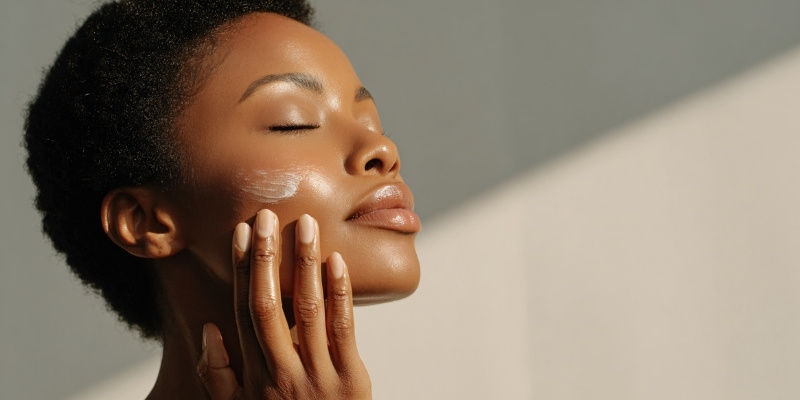
How to Build a Simple Routine Around Retinoids
Morning
- Gentle cleanser
- Hydrating serum or lightweight moisturizer
- Broad-spectrum sunscreen
Night
- Cleanser
- Retinoid cream
- Moisturizer
Keep the routine simple so skin can adjust comfortably.
Supporting Ingredients That Improve Results
Certain ingredients pair well with retinoids and help improve tolerance:
- Niacinamide supports barrier strength
- Ceramides maintain moisture balance
- Peptides support firmness
Avoid layering multiple active treatments on the same night.
When to Adjust Your Routine
If the skin feels tight or irritated, reduce the frequency rather than stop altogether.
If dryness persists, add a richer moisturizer or use retinoids every other night.
If skin feels comfortable, stay consistent rather than increasing strength too quickly.
Realistic Expectations for Deep Wrinkles
Retinoids improve texture and softness, not instant firmness. Deeper lines soften gradually over several months.
Most people notice subtle improvement before visible change. Consistency over time delivers the best outcome.
Customizing Your Strategy for Results
Treating deep wrinkles requires matching the retinoid molecule to yourskin'ss specific tolerance level. For sensitive or mature skin, clinical data favor encapsulated retinol, which releases the active ingredient slowly to minimize surface inflammation while still supporting deep collagen synthesis.
If your skin is resilient and has built tolerance, transitioning to Retinaldehyde can accelerate conversion to retinoic acid, providing visible smoothing of deeper lines within 12 weeks. For those prioritizing barrier health, pairing retinoid Niacinamide reduces the"retinization" period by 20% by boosting natural ceramide production. This customized approach ensures that your routine remains productive rather than irritating.
Choosing the Right Retinoid for Your Skin
Sensitive skin often does best with encapsulated or low-strength formulas.
More resilient skin may tolerate stronger options when used carefully.
Comfort should guide your choice more than concentration.
The Science of Steady Refinement
Over-the-counter retinoid creams can improve the look of deep wrinkles when used thoughtfully and consistently. The key lies in choosing the right formula, using it at a comfortable pace, and supporting the skin with hydration and protection. With patience and a steady routine, skin can look smoother, healthier, and more refined over time without aggressive treatments.