Elison E
|
March 25, 2026
When it comes to anti-aging skincare, retinol is still one of the most effective ingredients. This vitamin A derivative is widely used to reduce fine lines, even out skin tone, and support collagen production.
With so many options available, choosing the right one can feel overwhelming. Here are some well-reviewed, dermatologist-recommended retinol products that deliver visible results with consistent use.
What Retinol Does for Your Skin
Retinol is a proven ingredient that targets several common skin concerns at once.
How Retinol Works?
Retinol penetrates the skin and encourages faster cell turnover while boosting collagen production. Over time, this helps soften fine lines, fade dark spots, and improve overall texture. Skin tends to look smoother and slightly firmer with regular use.
Addressing Multiple Skin Concerns
In addition to anti-aging benefits, retinol can help keep pores clear and reduce breakouts. It also gradually fades hyperpigmentation, making skin tone look more even. Mild peeling or flaking can happen at first, which is part of the renewal process.
How to Add Retinol to Your Routine
Start slowly and build tolerance
If you are new to retinol, begin with a low concentration such as 0.2% to 0.5%. Use it only 2 to 3 times per week at first. This “low and slow” approach helps the skin adjust and reduces common side effects like dryness, redness, or peeling. Over time, you can gradually increase frequency if your skin tolerates it well.
Apply at night on dry skin
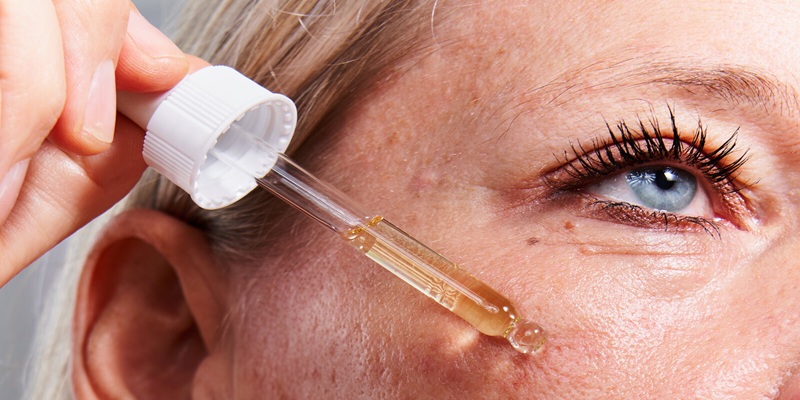
Retinol breaks down when exposed to sunlight, so it should always be used in your nighttime routine. Apply it after cleansing and make sure your skin is completely dry, since damp skin can increase irritation. A pea-sized amount is enough for the entire face. Avoid the eye area, corners of the nose, and lips unless the product is specifically formulated for those zones.
Support your skin barrier
Retinol can temporarily weaken the skin barrier, especially in the beginning. Pairing it with hydrating ingredients like hyaluronic acid can help maintain moisture, while niacinamide can reduce redness and improve barrier strength. Many people also use the “moisturizer sandwich” method, applying moisturizer before and after retinol to buffer irritation.
Don't skip sunscreen
Daily sunscreen with SPF 30 or higher is essential. Retinol increases skin sensitivity to UV exposure, and without protection, you may undo its benefits and increase the risk of pigmentation.
Top Recommended Retinol Products
Over-the-Counter Options
Olay Regenerist Retinol 24 Night Moisturizer
A beginner-friendly option with a creamy texture. It combines retinol with niacinamide, which helps support the skin barrier and reduce irritation. Many users prefer it for nightly use because it feels moisturizing rather than drying.
CeraVe Skin Renewing Retinol Serum
A lightweight serum with ceramides and hyaluronic acid. These ingredients help maintain hydration while retinol works on texture and fine lines. It is often recommended for sensitive or first-time users.
Higher-End Options
SkinCeuticals Retinol 0.5 Refining Night Cream
A more concentrated formula designed for visible signs of aging and uneven skin texture. It is effective but usually introduced slowly to avoid irritation, especially for beginners.
Sunday Riley A+ High-Dose Retinoid Serum
A fast-absorbing serum that combines multiple retinoid forms with soothing ingredients. It feels light on the skin and is often chosen by users who want stronger results without a heavy cream texture.
Budget-Friendly Picks
The Ordinary Retinol in Squalane
An oil-based formula available in different strengths. It is more suitable for users who already have some experience with retinol and want stronger effects at a lower price point.
RoC Retinol Correxion Deep Wrinkle Night Cream
A classic drugstore option with a simple cream texture. It is widely used for early signs of aging and works well when used consistently.
How to Use Retinol Effectively for Best Results
Begin Slowly and Build Tolerance
Retinol takes time for your skin to get used to, so don't rush into daily use. Start with a low concentration and apply it once or twice a week. As your skin adjusts, gradually increase the frequency. This helps reduce irritation while allowing your skin to build tolerance.
Apply retinol on clean, completely dry skin at night. Wait a minute or two after washing your face before applying, as damp skin can increase irritation. A pea-sized amount is enough for the entire face—using more won't improve results, but can lead to dryness. Avoid sensitive areas like the corners of the eyes, nostrils, and lips unless the product is specifically formulated for those areas.
Pair with Supportive Products
Retinol can make your skin more sensitive, so daily sunscreen is essential. Use a broad-spectrum SPF 30 or higher every morning to protect your skin from UV damage.
It also helps to include hydrating and soothing ingredients in your routine. Hyaluronic acid can keep skin hydrated, while niacinamide helps calm irritation and support the skin barrier. A simple moisturizer with ceramides can also reduce dryness and flaking during the adjustment period.
Patience and Consistency
Retinol doesn't give overnight results. Most people start to see visible improvements in skin texture, fine lines, and tone after about 8–12 weeks of consistent use. Stick with your routine, even if progress feels slow at first—results build gradually over time.
Pros and Cons of Using Retinol
Retinol is one of the most widely used and effective anti-aging ingredients, but like any active, it comes with both benefits and drawbacks.
The Benefits of Retinol
Retinol speeds up cell turnover, helping the skin shed old, dull cells and replace them with new ones. This can soften fine lines and wrinkles, improve overall texture, and give skin a smoother appearance.
It also helps even out skin tone by fading dark spots and discoloration. Another key benefit is its ability to boost collagen production. Since collagen naturally declines with age, this support can help skin look firmer and less saggy over time.
The Negative Side
Retinol can cause temporary side effects, especially in the beginning. Redness, dryness, tightness, or peeling are common as your skin adjusts. These effects are usually mild and improve with continued use and proper moisturizing.
It also increases sensitivity to sunlight, which means skipping sunscreen can lead to more damage and counteract the benefits. Consistent sun protection is non-negotiable when using retinol.
Retinol Alternatives for Sensitive Skin Types
If your skin doesn't tolerate retinol well, there are gentler options that can still improve signs of aging.
Bakuchiol: A Gentler Alternative
Bakuchiol, derived from the babchi plant, works similarly to retinol in improving fine lines and skin texture, but is less likely to cause irritation. It's often found in lightweight serums and can be used both morning and night.
Peptides: Support for Firmness
Peptides are amino acid chains that help support collagen production and improve skin elasticity. They're generally well-tolerated and work well in both serums and creams without causing dryness.
Niacinamide: Simple and Effective
Niacinamide (vitamin B3) helps strengthen the skin barrier, reduce redness, and improve uneven tone. It's a good option for sensitive skin and pairs well with most other ingredients.
Using Retinol as Part of Your Routine
Retinol works best when used consistently and in the right amount. Start slowly, keep your routine simple, and focus on hydration and sun protection alongside it. Over time, you'll likely notice smoother skin, more even tone, and softer lines—but consistency is what makes the difference.