Tooba
|
October 30, 2025
Skincare has become louder, longer, and more complicated than it needs to be. Many people now use layered routines with 10 or more products, yet still experience irritation, dullness, or uneven texture. The skin responds better to less. A thoughtful, minimalist routine can deliver stronger results with fewer steps, especially for those focused on long-term skin health rather than instant change.
This approach works because it aligns with how skin actually functions, not with how marketing suggests it should.
The Risks of Ingredient Overload
Skin thrives on balance. When too many active ingredients compete on the surface, the barrier becomes stressed. That Stress often shows up as redness, dryness, or sudden sensitivity that was never there before.
Overloading the skin can also disrupt natural repair cycles. Instead of improving tone or firmness, excessive layering can slow progress and make skin look tired.
A minimal routine removes excess noise and allows the skin to do its job more effectively.
What a Minimalist Routine Actually Means
Minimalist does not mean skipping care or using low-quality products. It means choosing fewer products that serve clear purposes.
A well-structured routine focuses on:
- Cleansing without stripping
- Supporting hydration and resilience
- Protecting against daily damage
Everything else becomes optional rather than essential.
Resilience and Recovery After 35
As skin matures, it recovers more slowly from irritation. Products that once felt fine may start causing redness or tightness. This is often mistaken for sensitivity when it is actually overuse.
A simplified routine helps strengthen the skin barrier. When the barrier improves, texture smooths out, fine lines soften, and tone appears more even.
Less stimulation often leads to more visible improvement.
1. Cleanse
Cleansing should remove buildup without stripping natural oils. Harsh cleansers create dryness that no serum can fully fix.
What To Look For
- Low-foam or cream textures
- Ingredients like glycerin or ceramides
- No strong fragrance
Reliable Options
- CeraVe Hydrating Facial Cleanser
- La Roche-Posay Toleriane Hydrating Cleanser
Use morning and night with lukewarm water. Gentle pressure is enough.
2. Treat
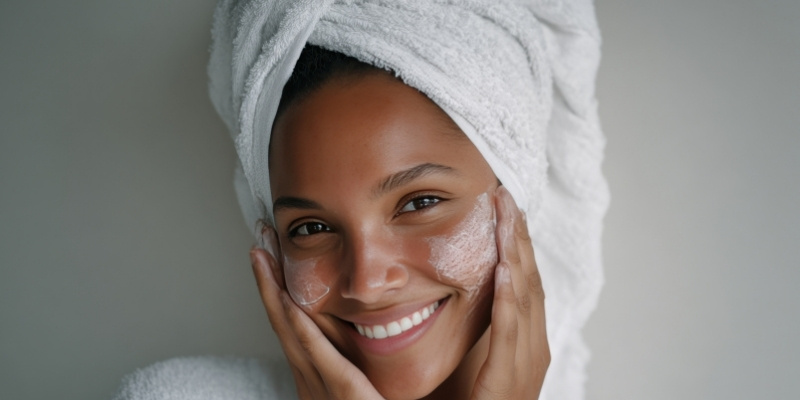
Instead of layering multiple serums, choose a single treatment that addresses your primary concern.
Good Options Include:
- Peptides for firmness
- Retinol alternatives for texture
- Antioxidants for daily protection
Product Examples
- Paula’sPaula's Peptide Booster for firmness
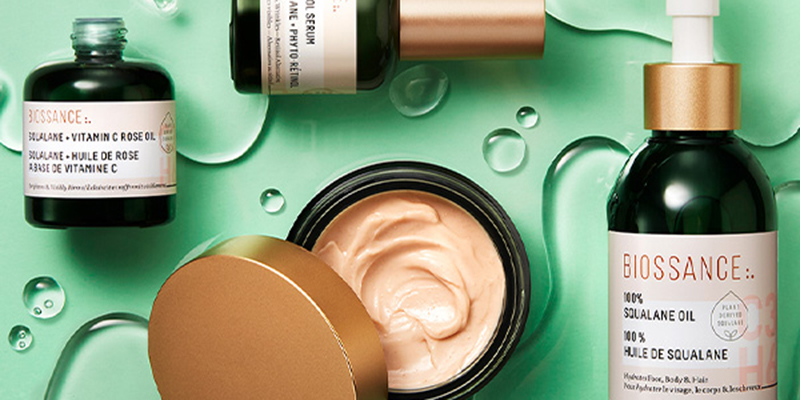
- Biossance Squalane and Copper Peptide Serum for barrier support
- La Roche-Posay Hyalu B5 Serum for hydration and comfort
Apply a thin layer to clean skin. More product does not mean better results.
3. Protect
This step locks in benefits and keeps skin balanced throughout the day or night.
Daytime Focus
Use a moisturizer with sunscreen to protect from ongoing damage. UV exposure is one of the fastest ways to undo progress.
Good Options Include:
- EltaMD UV Clear SPF 46
- La Roche-Posay Anthelios Melt-in Milk
Nighttime Focus
At night, choose a moisturizer that supports recovery rather than stimulation.
Good Options Include:
- CeraVe Skin Renewing Night Cream
- First Aid Beauty Ultra Repair Cream
Why Fewer Products Deliver Better Results
Using fewer products allows each one to work more effectively. The skin barrier remains stable, improving hydration and tolerance.
It also becomes easier to identify what actually helps. When something works, it is obvious. When something irritates, it is easy to remove.
Clarity leads to consistency, and consistency leads to results.
How to Layer Without Irritation
Apply products from thinnest to thickest. Give each layer time to absorb before adding the next.
Avoid stacking multiple activities into a single routine. If using a stronger ingredient, alternate nights instead of combining.
When skin feels tight or sensitive, pause active treatments and focus on hydration.
What Actually Improves Skin Over Time
Healthy skin depends on three things:
- Hydration that lasts
- A strong protective barrier
- Ongoing protection from sun exposure
These factors support a smoother texture and reduce the look of fine lines. No single product replaces them.
Adapting Your Regimen to Skin Shifts
A streamlined approach makes it easier to identify how your complexion responds to external stressors or internal hormonal shifts. Research confirms that environmental humidity levels significantly affect epidermal hydration, prompting a shift toward barrier-repairing lipids during cold or dry months to prevent trans-epidermal water loss.

Conversely, warmer seasons often necessitate lighter, humectant-based textures to avoid pore congestion. Because you aren't applying dozens of active ingredients, you can pinpoint exactly which formula needs a seasonal upgrade without disrupting your entire cycle.
This flexibility reduces the risk of over-processing the skin during periods of high Stress or sensitivity. Maintaining a consistent foundation ensures long-term resilience and allows for precise, science-backed adjustments that keep the skin balanced throughout the year.
Why Minimalism Works for Busy Schedules
Short routines reduce decision fatigue. They are easier to maintain,n even on long days.
When skincare feels manageable, it becomes consistent. Consistency produces visible improvement far more reliably than complex routines.
A few effective products used daily outperform a crowded shelf that rarely gets used.
Supporting Habits That Make a Difference
Good sleep supports skin repair.
Adequate hydration improves elasticity.
Gentle facial movements reduce tension patterns.
These habits work quietly in the background, supporting whatever skincare you use.
Choosing the Right Products for You
Focus on comfort first. If a product feels irritating or heavy, it will not get used.
Choose formulas that feel good on the skin and fit naturally into your day.
The best routine is the one you enjoy enough to keep.
Why Less is More for Long-Term Health
The move toward "Skin- S"reaming" highl"ghts a critical shift: healthy skin thrives on stability, not stimulation. A minimalist routine is more effective because it respects the skin's skin'sl pH and prevents the barrier disruption often caused by excessive layering.
When you reduce the number of products, each active ingredient can work at its peak efficiency, leading to more precise results and easier identification of what truly benefits your unique complexion. By prioritizing Core Health over marketing-driven complexity, you ensure a resilient, glowing complexion that looks rested and supported for years to come.