Elison E
|
March 14, 2026
You’ve probably seen collagen supplements lining store shelves, all promising smoother skin and better joint health. But do they really deliver on that promise?
As collagen products continue to grow in popularity, it’s worth taking a step back and looking at what the science actually says. In this article, we’ll go through what researchers currently know about collagen, how your body uses it, and whether taking it as a supplement can genuinely make a noticeable difference to your skin, joints, or overall health.
Collagen Supplements: The Scientific Perspective

Collagen Function
Collagen is the most abundant protein in the body and provides structure for skin, bones, muscles, and connective tissues. As we age, collagen production decreases, leading to wrinkles, joint discomfort, and reduced skin elasticity. Collagen supplements aim to help offset this decline. Mayo Clinic has noted that collagen is widely discussed for healthy aging and joint support, but the evidence is still being studied.
Absorption
When consumed, collagen is broken down during digestion into smaller peptides and amino acids. These are absorbed into the bloodstream and distributed throughout the body. Cells can then use these components as building blocks for various functions, including collagen synthesis.
Stimulating Collagen Production
Some research suggests collagen peptides may also stimulate fibroblasts—cells responsible for producing collagen—to increase their activity. This means supplements may both supply raw materials and encourage the body’s own collagen production.
Systematic reviews in PubMed Central have reported improvements in skin hydration and elasticity, which is consistent with this idea, although larger studies are still needed.
Targeting Specific Areas
Different types of collagen are associated with different functions. Type I collagen is commonly linked to skin health, while Type II is more associated with joint support.
Many supplements are formulated to target specific concerns, though in practice the body uses amino acids where needed rather than directing them to a single area.
Proven Benefits for Skin, Hair, and Joints
Skin Health and Appearance
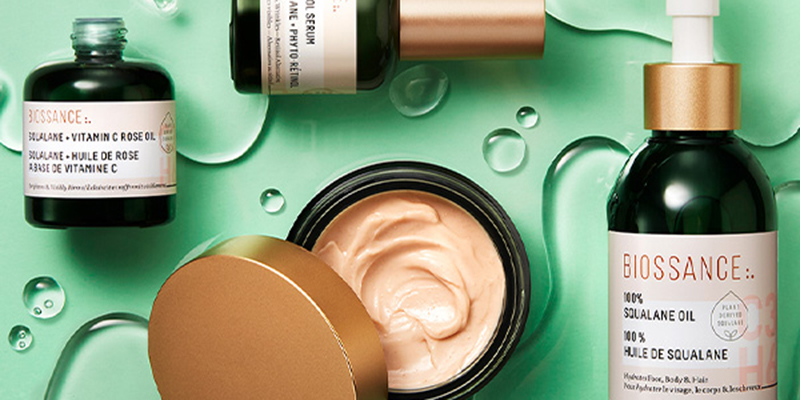
Some studies suggest that collagen supplements can improve skin elasticity and hydration, and may reduce the appearance of fine lines over time. Results are usually gradual and depend on consistent use. Compared to topical skincare (like serums with hyaluronic acid or vitamin C, which mainly affect the outer skin layers and texture), oral collagen works from within, but its effects tend to be subtle rather than dramatic.
Hair Strength and Growth
Evidence here is still limited. Collagen provides amino acids that support keratin production, which is important for hair structure. Some users report stronger or thicker hair, but stronger clinical evidence is still needed.
Joint Support and Mobility
Joint health is one of the more studied areas. Some research shows collagen supplements may help reduce joint pain and stiffness, especially in people with osteoarthritis or those who are physically active. The effect is usually modest but can be noticeable with regular use.
Cleveland Clinic has said that some studies show limited benefit, but the evidence remains inconsistent and many products are not well-regulated.
Choosing the Right Collagen Supplement

Types of Collagen
Collagen supplements come in several forms. Type I (often from bovine or marine sources) is commonly used for skin. Type II (often from chicken) is associated with joint health. Type III is usually combined with Type I and supports skin and connective tissues. Multi-collagen blends combine several types, though the added benefit isn’t always clear.
Dosage
Typical doses range from 2.5 to 15 grams per day, depending on the goal. Lower doses are often used for skin, while higher doses may be used for joint support. Consistency matters more than occasional use, and results—if any—usually take weeks to months.
Enhancing Absorption
Hydrolyzed collagen (collagen peptides) is more easily absorbed because it’s already broken down into smaller units. Taking collagen with vitamin C may support collagen synthesis. Some products also include ingredients like hyaluronic acid, which can help with skin hydration and overall feel.
Decoding Collagen Supplements: Truth vs. Myths
Expectations vs. Reality
Collagen supplements are often marketed as a quick fix for aging skin or joint problems. In reality, the effects are usually mild and gradual. They’re not a replacement for a balanced diet or proper skincare.
Cedars-Sinai dermatologist Dr. Ohara Aivaz has said the jury is still out on oral collagen and that better large-scale studies are needed.
Why Collagen Matters
Collagen plays a key role in skin elasticity, joint function, and bone strength. As natural production declines with age, supporting the body through nutrition becomes more important.
What Studies Show
Research results are mixed. Some studies show improvements in skin hydration and joint pain, but many are small or industry-funded, which may affect reliability. More independent, large-scale studies are still needed.
The Absorption Question
While collagen peptides are absorbed, it’s still unclear how much of that directly translates into improved skin or joint structure. The body may simply use the amino acids wherever they’re needed.
Pros and Cons
Collagen supplements are generally safe, though some people experience mild digestive discomfort. They can also be relatively expensive. A diet rich in protein (like eggs, fish, and legumes) and vitamin C (such as citrus fruits) already supports natural collagen production.
Mayo Clinic’s consumer guidance emphasizes that collagen is not a miracle solution and should be viewed as one possible supplement rather than a necessity.
The Final Verdict on Collagen Supplements
Collagen supplements show some potential benefits for skin and joint health, but the effects are modest and not guaranteed. They may be helpful as part of a broader routine, but they’re not essential. A balanced diet, good skincare, regular exercise, and sun protection still play a bigger role in maintaining healthy skin and joints.