Elison E
|
March 12, 2026
Facial oils are often overlooked, but they can be a useful addition to a skincare routine. Their popularity has grown in recent years because they help with hydration, support the skin barrier, and can improve overall skin texture. With the right choice, facial oils can work for dry, oily, and combination skin alike.
Do Facial Oils Really Help Your Skin
Facial oils aren’t just a passing trend. When used properly, they help restore the skin’s natural lipids, lock in moisture, and leave the skin feeling softer and smoother. Many formulas also contain antioxidants that help the skin handle daily environmental stress.
Not Just for Dry Skin
A lot of people assume facial oils are only for dry skin, but that’s not really true. Some lightweight oils can work well for oily and combination skin too. Oils that are similar to the skin’s natural sebum, like jojoba, can help keep oil levels more balanced over time. When used in small amounts, they may even reduce excess shine and clogged pores.
What Kind of Glow to Expect
One reason people keep using facial oils is the glow they give. It’s more of a healthy, natural finish rather than a shiny layer sitting on top. Most modern formulas absorb fairly quickly, so the skin doesn’t feel heavy or greasy.
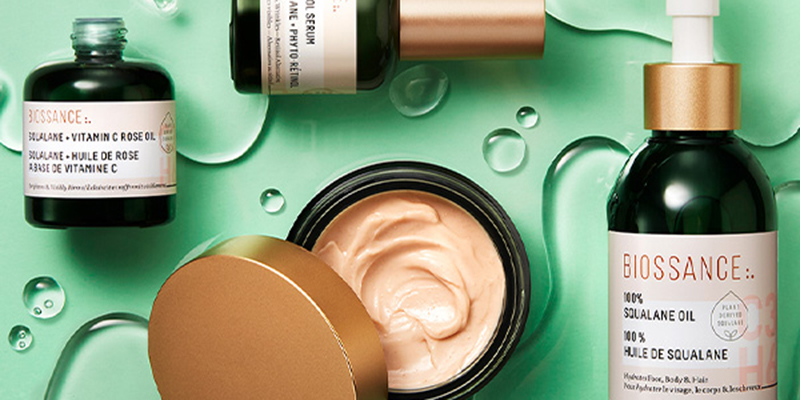
Squalane, for example, feels light and smooth, while rosehip oil is a bit richer but still sinks in well. Many oils also contain vitamin E, which can help with dullness and make the skin look more even.

Facial Oils for Every Skin Type: Finding Your Perfect Match
Not all facial oils are the same, so choosing the right one for your skin type matters. Different oils vary in texture, absorption speed, and composition, which affects how they perform on the skin.
Dry Skin: Nourishment and Hydration
For dry skin, richer oils with strong emollient properties are more suitable. Ingredients like argan oil, marula oil, and jojoba oil help soften the skin and reduce water loss. Argan oil, in particular, is high in vitamin E and fatty acids, giving it a slightly thicker texture that helps relieve tightness and flakiness.
Oily and Acne-Prone Skin: Balance and Clarity
It may seem counterintuitive, but some facial oils can work well for oily skin. Lightweight, non-comedogenic oils like grapeseed, tea tree (usually diluted), and rosehip are better options. Grapeseed oil has a very thin texture and absorbs quickly, while rosehip oil can help improve the appearance of post-acne marks over time due to its vitamin A derivatives.
Combination Skin: Targeted Treatment
Combination skin benefits from balanced, versatile oils. Squalane is a good example—it is lightweight, non-greasy, and compatible with most skin types. It hydrates dry areas without making the T-zone feel heavy, making it a practical all-around option.
Sensitive Skin: Gentle Care
Sensitive skin requires simple, soothing formulations. Oils infused with chamomile or calendula are often used to calm redness and irritation. These tend to have a lighter feel and minimal fragrance, reducing the likelihood of irritation.
Standalone Oil Products
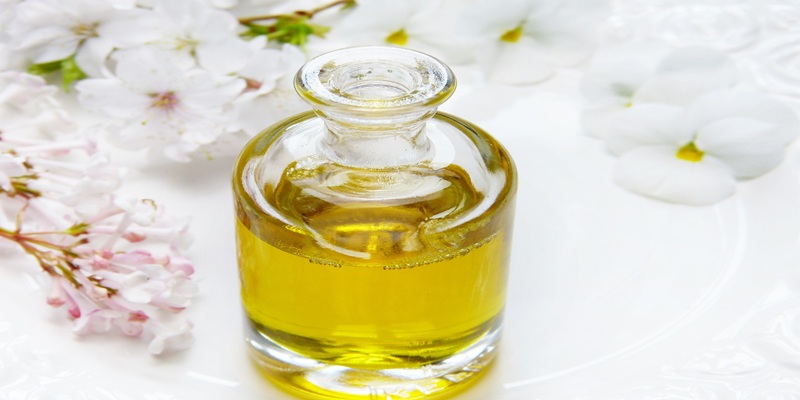
When using a pure facial oil, apply it after moisturizer to help seal in hydration. Dispense a few drops onto your hands, warm them between your palms, and gently press them into the skin instead of rubbing. Applying too much at once can leave the skin feeling heavy or interfere with makeup, so it’s better to start with a small amount.
Incorporating Facial Oils into Your Skincare Routine
1. Start with Clean Skin
Use a gentle cleanser to remove dirt and excess oil. Pat your skin dry without rubbing, leaving it slightly damp if possible.
2. Apply to Damp Skin
Facial oil spreads more easily on slightly damp skin and helps lock in moisture. Warm 2–4 drops in your hands and press onto the face and neck.
3. Layer Wisely
Apply oil after water-based serums. Depending on the texture, it can go either before or after moisturizer, but it’s often used as the last step to seal everything in.
4. Customize Application
Adjust the amount based on your skin type. Oily or combination skin usually needs only 1–2 drops, while dry skin may benefit from a slightly larger amount.
5. Consider Time of Day
Facial oils are commonly used at night because they can feel richer. If used during the day, allow enough time for absorption before applying sunscreen or makeup.
The Benefits of Facial Oils: From Hydration to Anti-Aging
Intense Hydration and Nourishment
Facial oils help reduce transepidermal water loss by forming a light barrier on the skin. This keeps moisture in and supports a smoother, more hydrated appearance. While they don’t replace water-based hydration, they are effective at locking it in.
Effective Wrinkle Care
Many facial oils contain antioxidants, vitamins, and essential fatty acids that support skin elasticity and overall skin health. For example, rosehip seed oil contains natural vitamin A derivatives that can help improve the appearance of fine lines and uneven tone over time. Consistent use may lead to smoother-looking skin, though results are gradual.

Guidelines for Picking the Right Facial Oil: Tips for Glowing Skin
Choosing the right oil depends largely on understanding your skin’s needs.
Understanding Your Skin Type
Lightweight oils like jojoba and grapeseed are generally better for oily or acne-prone skin, while richer oils such as argan or marula are more suitable for dry or mature skin.
Searching For Key Ingredients
Look for ingredients like vitamin E (antioxidant) and essential fatty acids such as omega-3 and omega-6, which help support the skin barrier and improve overall texture.
Patch Testing New Products
Before using a new oil on your face, apply a small amount to the inner arm and wait 24 hours. If no irritation or redness appears, it’s likely safe to use.
Unveil the Secret Weapon: Facial Oils
Adding a facial oil to your routine can help improve hydration, texture, and overall skin condition when used correctly. The key is choosing a formula that matches your skin type and using it in moderation.