Tooba
|
November 5, 2025
When skin feels tight, irritated, or unpredictable, the barrier is often the reason. The skin barrier acts as a protective shield, keeping moisture in and environmental Stress out. When it weakens, even gentle products can sting, hydration can disappear quickly, and the skin can look tired or uneven. Strengthening this barrier does not require complex routines or aggressive treatments. It requires consistency, balance, and the right kind of care.
This guide explains how to restore and maintain a healthy skin barrier using practical habits and thoughtful product choices that support long-term skin health.
The Science of Dermal Defense
The skin barrier sits on the outermost layer of the skin. It is made of skin cells held together by lipids such as ceramides, fatty acids, and cholesterol. Together, they form a protective structure that keeps moisture inside while blocking irritants and pollutants.
When the barrier is strong, skin feels comfortable, smooth, and resilient. When compromised, it becomes dry, sensitive, and reactive. This is often when redness, flaking, or breakouts appear unexpectedly.
Identifying Structural Weakness
A weakened barrier can show up in subtle ways before significant irritation appears.
Common Signs Include:
- Tightness after cleansing
- Products that suddenly sting or burn
- Patchy dryness that does not improve with moisturizer
- Skin that looks dull or uneven
- Increased sensitivity to weather or temperature changes
These signals indicate that the skin needs recovery, not more stimulation.
What Causes Barrier Damage
Several everyday habits can weaken the skin barrier over time.
Frequent exfoliation, harsh cleansers, overuse of active ingredients, and hot water all strip essential lipids from the skin. Environmental Stress, such as sun exposure and pollution, adds further strain.
Stress and lack of sleep also affect barrier function by slowing repair processes. When these factors combine, skin struggles to maintain balance.
Step One: Simplify Your Routine Immediately
When barrier damage appears, simplicity becomes essential. Removing unnecessary steps allows the skin to recover more efficiently.
Focus On Three Essentials:
- Gentle cleansing
- Deep hydration
- Daily protection
Avoid exfoliants, retinoids, and strong acids until the skin feels calm again.
Step Two: Choose a Gentle Cleanser
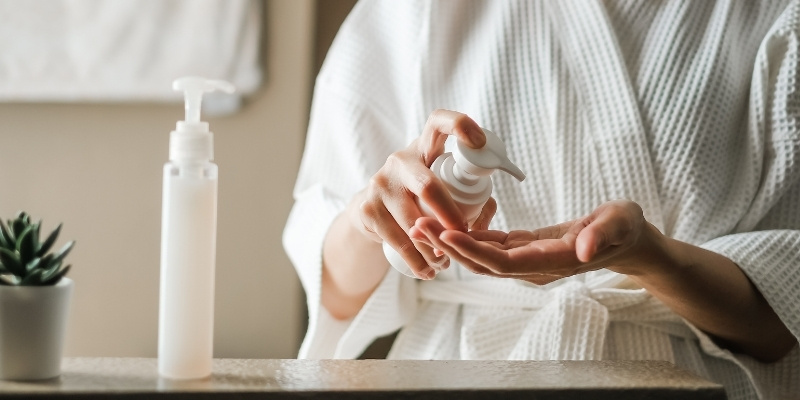
Cleansing should never feel harsh. The right cleanser removes buildup without disturbing the barrier.

What To Look For:
- Cream or lotion textures
- Ingredients like glycerin or ceramides
- Fragrance-free formulas
Gentle Options Include:
- CeraVe Hydrating Facial Cleanser
- La Roche-Posay Toleriane Hydrating Cleanser
Use lukewarm water and minimal pressure. Cleansing once or twice daily is usually enough.
Step Three: Restore Hydration First
Hydration is the foundation of barrier repair. Without adequate water content, the skin cannot function properly.
Ingredients That Support Hydration:
- Hyaluronic acid
- Glycerin
- Panthenol
These attract and hold moisture within the skin.
Reliable Hydrating Products:
- La Roche-Posay Hyalu B5 Serum
- Vichy Mineral 89
Apply to slightly damp skin, then follow with a moisturizer to lock in hydration.
Step Four: Rebuild the Barrier With Lipids
Lipids are essential for sealing moisture and reinforcing the skin’s protective layer.
Key Lipid Ingredients Include:
- Ceramides
- Cholesterol
- Fatty acids
Effective Moisturizers:
- CeraVe Moisturizing Cream
- First Aid Beauty Ultra Repair Cream
These help restore comfort and prevent further moisture loss.
Step Five: Protect Daily With a Gentle Sunscreen
Sun exposure weakens the skin barrier even on cloudy days. Daily protection prevents further damage during recovery.
Mineral sunscreens are generally better tolerated by compromised skin.
Good Options Include:
- EltaMD UV Physical SPF 41
- Biossance Squalane and Zinc SPF 30
Apply generously and reapply when exposed for extended periods.
How to Build a Simple Barrier Repair Routine
A simplified structure supports recovery without overstimulation.
Morning routine focuses on protection and hydration:
Gentle cleanser
Hydrating serum
Barrier-supporting moisturizer
Mineral sunscreen
Evening routine prioritizes repair:
Cleanser
Moisturizer
Avoid layering actives until the skin feels stable and predictable again.
How Long Barrier Repair Takes
Recovery timelines vary depending on severity. Mild irritation often improves within several days once stressors are removed. More significant barrier disruption may require several weeks of consistent care.
Progress is gradual. Early improvements include reduced stinging, improved comfort, and better moisture retention. Texture and tone evenness follow later.
Rushing the process by reintroducing actives too soon often leads to setbacks. Patience allows the skin’s natural repair mechanisms to function fully.
When to Reintroduce Active Ingredients
Active ingredients should be reintroduced only after the skin has been calm for at least one whole week. Stability matters more than speed.
Reintroduce one product at a time, starting once or twice per week. Choose gentle options such as low-strength retinol alternatives or mild exfoliating acids.
Monitor skin response closely. If tingling or redness appears, pause and refocus on hydration and barrier support before continuing.
What Actually Strengthens the Skin Over Time
Long-term resilience comes from consistency rather than intensity. Regular hydration, lipid replenishment, and sun protection reduce chronic inflammation, which accelerates aging.
Skin that is well-supported becomes more flexible, less reactive, and better able to tolerate environmental Stress. This creates a stable foundation for future treatments and visible improvement.
Indicators of Barrier Restoration
A restored barrier shows functional improvements rather than dramatic overnight changes.
Skin maintains comfort throughout the day without tightness. Moisturizer absorbs smoothly without stinging. Hydration lasts longer, and redness becomes less reactive to external triggers.
Supporting habits such as avoiding hot water, reducing friction, and maintaining hydration reinforce these gains and prevent relapse.
How to Tell When Your Barrier Is Strong Again
Comfort becomes consistent rather than situational.
Products apply evenly without irritation.
Texture appears calmer, smoother, and more uniform.
These signs indicate that the skin has regained resilience and can safely tolerate gradual routine expansion.
Adjusting Your Routine Long Term
Once barrier health is restored, treatments can be added thoughtfully. Hydration and protection should always remain the foundation.
If irritation returns, scaling back early prevents prolonged disruption. Seasonal changes, Stress, and travel may require temporary adjustments. Listening to the skin is more effective at maintaining balance than rigid routines.
Why Barrier Repair Supports Long-Term Skin Health
A strong barrier protects against environmental damage, minimizes sensitivity, and supports natural renewal processes. With less inflammation, skin ages more slowly and responds better to targeted treatments.
Barrier repair improves the effectiveness of every other skincare step, making routines more straightforward and results more sustainable over time.
Maintaining a Resilient Shield
Barrier repair is not about doing more. It is about doing what the skin needs most at the right time. By simplifying your routine, choosing supportive ingredients, and giving your skin space to recover, you create lasting resilience. Healthy skin begins with a strong barrier, and maintaining it is one of the most effective ways to preserve comfort, clarity, and long-term radiance.