sana
|
March 14, 2026
Navigating the skincare world can often feel like wandering through an intricate labyrinth. With an overwhelming selection of high-end products each claiming extraordinary results, many consumers find themselves frustrated and disillusioned. It’s not uncommon for individuals to spend hundreds on lotions and serums while grappling with the nagging question: why aren’t the results matching the investment? This frustration has driven a surge in interest surrounding medical grade skincare, a class of products touted to offer more effective solutions backed by scientific study and professional insights.

However, the term "medical grade" frequently raises questions. What precisely differentiates these products from typical over-the-counter options? Are they genuinely more effective, or just another marketing tactic? In the following sections, we will unravel the complexities of medical grade skincare, examining its benefits, limitations, and expert-supported insights. Join us as we dissect this evolving category and discover how it may revolutionize your skincare regimen, empowering you to make informed choices tailored to your skin's unique requirements.
What Is Medical Grade Skincare?
Medical grade skincare constitutes a category of products typically accessible only through dermatology clinics and medical spas. These formulations are distinguished by their higher concentration of active ingredients, designed to deliver noticeable results when compared to conventional skincare lines. The rising popularity of medical grade products can be attributed to a growing desire among consumers to achieve clinical level results from the comfort of their own homes, alongside a broader trend toward health-conscious living.
However, it’s essential to note that the term "medical grade" lacks regulation from the FDA. This absence of formal classification permits brands to use the label without adhering to standardized criteria, leading to consumer uncertainty regarding claims of authenticity and efficacy. For example, products labeled as medical grade might feature potent ingredients such as retinoids or peptides, but the lack of clear guidelines means there can be significant inconsistencies in product quality and formulations across different brands.
When purchasing medical grade skincare, it is vital for consumers to perform thorough research—seeking products with scientific backing and recommendations from credible dermatologists. Acknowledging that this label does not automatically equate to effectiveness can lead to wiser purchasing decisions, ensuring individuals select products that align with their specific skin needs and concerns.
In short, while medical grade skincare can provide valuable benefits, consumers must navigate this expanding market with care and a discerning eye.
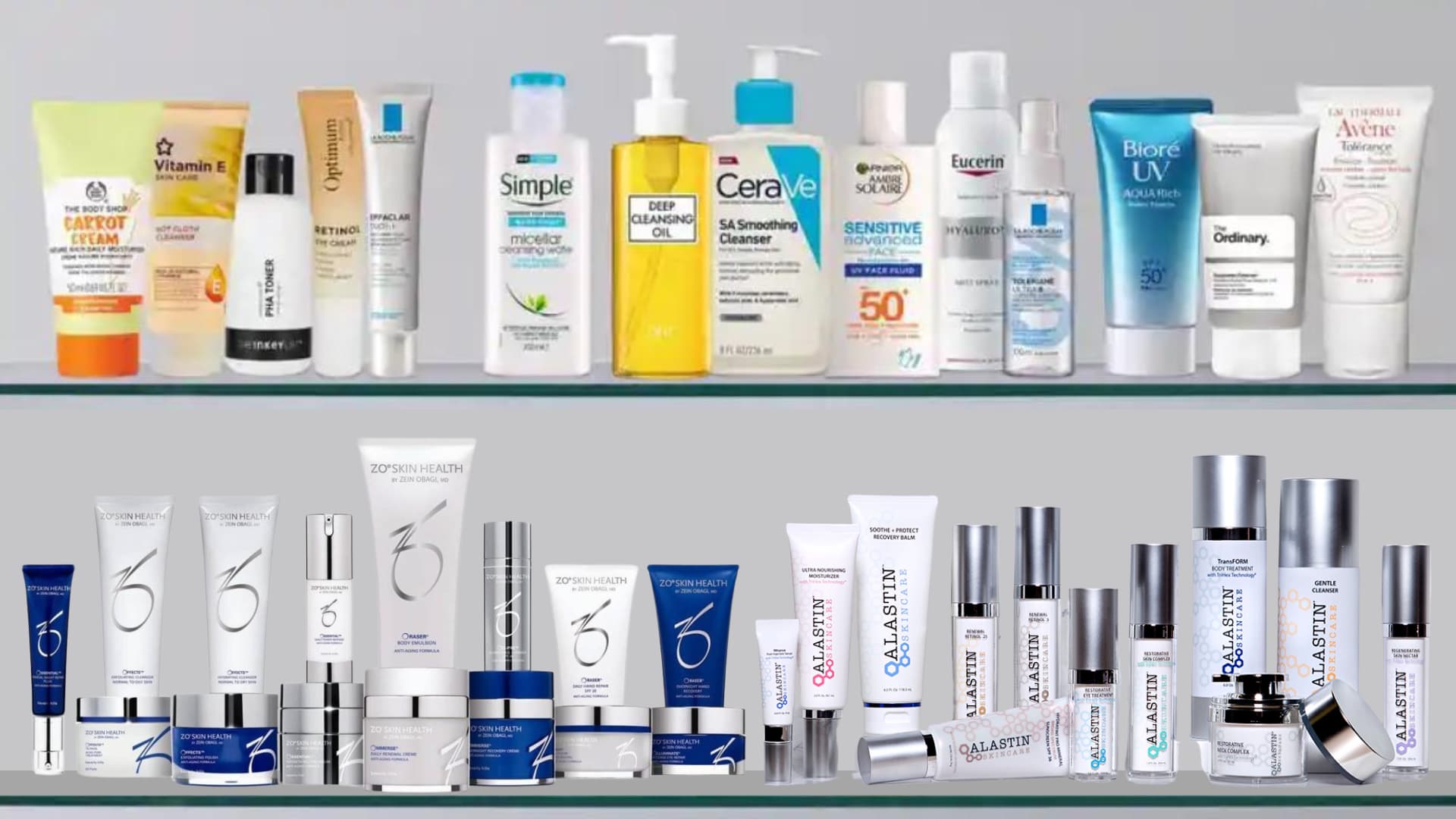
Medical Grade Skincare vs Regular Skincare
In the diverse landscape of skincare products, there’s a marked distinction between medical grade and regular skincare. The former sets itself apart through superior concentrations of active components and advanced formulations. Generally, medical grade products leverage power-packed ingredients such as retinoids, alpha hydroxy acids (AHAs), and peptides at levels that can be three to five times stronger than those found in standard over-the-counter options. This enhanced potency enables medical grade formulations to penetrate the skin more deeply, providing targeted treatments for various skin issues including aging, hyperpigmentation, and acne.
In addition, medical grade skincare frequently utilizes sophisticated delivery systems, such as liposomes or microencapsulation technology, to augment absorption and overall effectiveness. These innovative systems enhance the stability of active ingredients, ensuring they remain effective after they penetrate the skin, thus yielding significant results over time.
Conversely, regular skincare products may lean on broad marketing claims such as “dermatologist recommended” without substantial clinical testing to support their effectiveness. Consumers may perceive medical grade products as particularly advantageous given their clinical validation; however, beauty marketing can often amplify personal experiences, leading to unrealistic expectations formed around efficacy claims. While verified medical grade skincare displays demonstrable results, regular skincare is also evolving as consumers grow more informed about ingredient effectiveness and formulation advancements.
How Does Medical Grade Skincare Work?
Medical grade skincare is crafted to impart potent active ingredients targeting various skin problems effectively. Unlike standard products that often have lower ingredient concentrations, medical grade options incorporate clinically validated compounds that penetrate deeper into the skin for enhanced outcomes.
Noteworthy active components such as retinoids, vitamin C, peptides, and growth factors play crucial roles in fostering skin health. Retinoids, derivatives of vitamin A, are known for boosting cell turnover, thereby minimizing fine lines and enhancing skin texture. Vitamin C serves as a formidable antioxidant, brightening the skin and offering protection against environmental aggressors. Peptides, which are short chains of amino acids, stimulate collagen production—key for skin firmness and elasticity. Finally, growth factors assist in promoting cell growth and repair, making them integral to skin rejuvenation.
With the inclusion of these scientifically-supported ingredients, medical grade skincare effectively addresses aging, hyperpigmentation, and acne concerns, ultimately leading to healthier skin. Understanding these key elements empowers consumers to make savvy choices about their skincare routines, maximizing the rewards of their investment in skin health.
Benefits of Medical Grade Skincare
Medical grade skincare provides a wealth of benefits, particularly for those seeking effective solutions to various skin challenges, including anti-aging, acne management, hyperpigmentation, texture enhancement, and hydration while also supporting the skin barrier function.
Anti-Aging: Medical grade formulas often boast higher concentrations of active ingredients like retinoids and peptides, known to stimulate collagen synthesis. This mechanism aids in minimizing fine lines and wrinkles, making these products ideal for individuals aged 30 and above seeking a more youthful complexion. However, it is important to remember that significant results may take several weeks or even months to manifest.
Acne Management: Formulations containing salicylic acid or benzoyl peroxide effectively target blemishes and sanitize pore-clogging debris, preventing future breakouts. Many consumers suffering from persistent acne—no matter their age—can derive considerable benefits from such products. It is crucial to set realistic expectations, as consistent use over a sustained period is essential for improvement.
Hyperpigmentation: Ingredients such as vitamin C and hydroquinone contribute to the reduction of dark spots and improvement of uneven skin tone. This is particularly advantageous for individuals dealing with pigmentation issues driven by sun exposure or hormonal fluctuations, while patience is necessary to see progressive results.
Texture Improvement: Medical grade skincare can refine skin texture via methods of exfoliation and hydration, appealing especially to those with coarse or inconsistent skin surfaces. Notable improvements may be apparent after several weeks of consistent application.
Hydration and Skin Barrier Function: Often encompassing ceramides and hyaluronic acid, these products are crucial for preserving skin moisture and reinforcing the barrier health. Individuals encountering dryness or environmental stressors may experience swift benefits under proper use and consistent application.
Is Medical Grade Skincare Worth It?
The skincare journey can often feel daunting; this can be amplified by the rising acceptance of medical grade products, which usually come with steeper price tags. For individuals grappling with severe skin dilemmas like acne, rosacea, or hyperpigmentation, the commitment to premium products can be worth the investment.
Dermatologist Dr. Jessica Wu asserts that medical grade skincare typically features higher levels of active components—such as retinoids, peptides, and antioxidants—that can yield transformative results unattainable with standard options. Dr. Wu reiterates statistics demonstrating that patients employing medical grade products witnessed a 30% enhancement in skin texture and tone within a few months, compared to a mere 10% improvement attributed to traditional skincare.
However, this investment is often more sensible for those seeking directed results, such as recovery from cosmetic procedures or for individuals managing pre-existing skin conditions where over-the-counter alternatives may prove inadequate. For those evaluating the necessity of spending more, the perceived value often hinges on personal skin concerns and goals.
Making informed selections can pave the way toward clearer, healthier skin—and potentially lower long-term skincare costs through effective treatments.
Limitations or Potential Downsides
While the benefits of medical grade skincare are plentiful, it’s vital to acknowledge potential limitations and downsides. One primary consideration is the often substantial cost associated with these products. Unlike typical over-the-counter alternatives, medical grade offerings typically come at a higher price, which may deter some individuals from pursuing effective solutions for their dermatological issues.
Additionally, these products run the risk of causing irritation, particularly for those possessing sensitive skin or allergies. Potent ingredients integrated into some formulations may provoke adverse reactions if applied incorrectly or without appropriate guidance, signifying the critical importance of seeking dermatologist advice prior to usage. Moreover, the complexity inherent in some medical grade products may overwhelm potential users, contributing to confusion about optimal layering or application methods.
Finally, marketing misconceptions may skew perceptions about medical grade skincare. Some products make extravagant claims regarding miraculous results, misleading users into expecting swift transformations. While the effectiveness of medical grade products typically exceeds that of standard options, cultivating a balanced perspective is instrumental in achieving desired outcomes, while heeding possible drawbacks.
Who Is Medical Grade Skincare Best For?
Medical grade skincare aims to address a wide array of skin needs and concerns, rendering it suitable for a diverse audience. Primarily, individuals with acne-prone skin can markedly benefit from these formulations, as they frequently contain concentrated active ingredients designed to combat breakouts and stave off future flare-ups. Furthermore, people exhibiting signs of aging, including fine lines, wrinkles, and diminished elasticity, may find substantial advantages in the focused treatments offered by medical grade products, often leading to more tangible and lasting improvements.
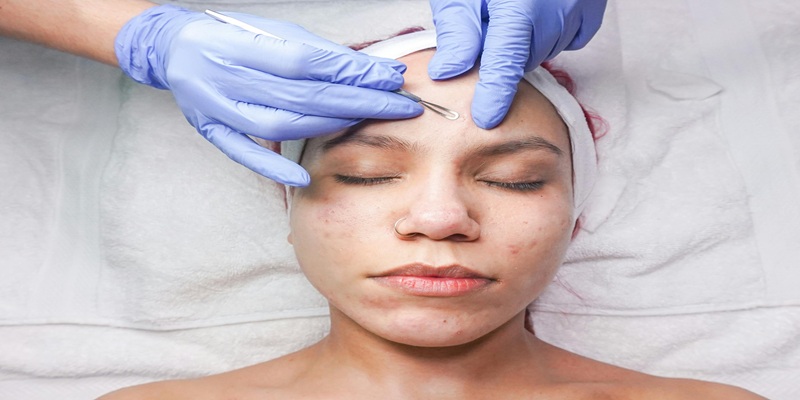
Post-cosmetic procedure skin necessitates careful tending, and medical grade skincare can bolster healing and enhance outcomes after dermatological interventions. Also, those looking at preventive anti-aging measures will appreciate the forward-thinking nature of medical grade products, promoting long-term skin health and resilience before severe concerns surface.
Overall, medical grade skincare addresses various skin objectives, catering not only to correction and treatment but also to ongoing maintenance and prevention—thus appealing to those committed to optimizing their skin health.
How to Choose the Right Medical Grade Skincare Products
When considering which medical grade skincare products to incorporate into your routine, recognizing the distinctiveness of these offerings is pivotal. Here are practical tips for making informed selections:
- Review Ingredients: Familiarize yourself with the components that make up various formulations. Seek scientifically-supported substances like retinoids, peptides, and antioxidants tailored to your specific skin concerns.
- Evaluate Labels: Maintain a critical eye towards marketing terminology. Authentic medical grade products typically exhibit clear labeling, outlining the concentration of active ingredients and their intended purposes.
- Recognize Quality Formulations: Favor products with clinical validations or endorsements from dermatologists, which can assure higher safety and effectiveness.
- Consult a Dermatologist: Before implementing significant changes to your skincare regimen, particularly if you cope with underlying skin conditions, seek guidance from a dermatologist. They can recommend products specifically suited to your unique skin requirements.
When building your skincare routine, introduce new items gradually and monitor your skin’s response to avoid overwhelming it with too many active ingredients at once.
Common Myths About Medical Grade Skincare
A variety of myths surround medical grade skincare, often resulting in consumer confusion. One common misconception is that these products are heavily regulated by the FDA; however, while the FDA oversees some skincare aspects, medical grade products don’t undergo the same rigorous testing as pharmaceuticals and are classified as cosmetics, meaning efficacy claims remain unapprised by the FDA.
Another prevalent fallacy is the association between higher price points and superior efficacy. While specific medical grade products do benefit from powerful active ingredient concentrations, it’s critical to recognize that price does not always correlate with performance; effective products exist across varying price tiers.
Additionally, many individuals expect instant results when using medical grade skincare, but proper skincare—particularly involving medical grade options—usually demands patience and consistency over time. Improvements typically unfold over weeks or months, not days.
Lastly, there’s a common view that medical grade skincare is exclusively for aging individuals, or that everyone must utilize these products. In truth, while medical grade offerings can cater to those with pertinent skin conditions, they are not universally necessary. With tailored advice from skincare professionals, individuals of all ages can identify their unique needs and select genuinely beneficial products suitable for their skin health.
Expert Insights
Expert dermatologists and cosmetic chemists stress that selecting the right ingredients holds greater weight than simply focusing on the cost. Board-certified dermatologist Dr. Jeanette G. Smith points out, "The efficacy of a skincare product is primarily determined by its active ingredients. Search for proven compounds like retinoids, hyaluronic acid, and niacinamide, which come backed by scientific research supporting their benefits."
Furthermore, cosmetic chemist Dr. Alan H. Parker highlights the critical role of product stability: "Skincare items are only as effective as their formulations. Ingredients may degrade when exposed to light and air, so it's vital to opt for products that employ robust preservatives and protective packaging."
Lastly, dermatologists widely advocate for consistency over cost when it comes to skincare routines. Dr. Emily Tran emphasizes, "It’s not how much you spend, but how regularly you implement the product that counts. Commit to a routine for optimal results, allowing time for your skin to adjust and react to treatment."
These insights reaffirm the significance of informed selection to achieve skincare success, irrespective of price.
Embracing Informed Choices for Healthy Skin
In essence, medical grade skincare presents numerous benefits worth considering, yet becoming a knowledgeable consumer is vital. The key insights highlight the necessity of focusing on effective ingredients and scrutinizing the evidence behind these products rather than being swayed by marketing initiatives. Moreover, understanding your skin type and specific concerns is critical for fostering realistic expectations. With the assertion that product effectiveness can considerably vary depending on individual skin needs, consulting with skincare professionals is essential for tailoring a regimen that works for you. Armed with knowledge about ingredients and their functions, you can confidently navigate the vast skincare landscape.
Ultimately, educated choices empower you to execute effective skincare routines. By embracing a holistic perspective that values evidence, ingredients, and professional recommendations, you can achieve healthy, radiant skin utilizing genuine medical-grade products.