Tooba
|
November 15, 2025
A good moisturizer does more than soften skin. It supports barrier health, helps reduce visible lines, and keeps skin comfortable as it changes with age. The right ingredients matter far more than the price tag or the number of claims on the label. When chosen carefully, a moisturizer becomes one of the most effective anti-aging tools in your routine.
This guide breaks down the most reliable anti-aging ingredients to look for in a moisturizer, how they work together, and how to choose the right formula for your skin type.
Why Your Moisturizer Matters More Than You Think
Moisturizer plays a central role in maintaining skin health, especially as skin matures. Over time, skin produces less oil, loses water more quickly, and recovers more slowly from daily Stress. A well-formulated moisturizer helps compensate for these changes by supporting hydration, strengthening the skin barrier, and improving overall resilience.
When the barrier stays strong, skin appears smoother, feels more comfortable, and shows fewer visible lines. Without proper moisture support, even the best serums cannot perform well. An effective anti-aging moisturizer focuses on hydration, barrier repair, and gentle renewal rather than aggressive activity.
1. Ceramides for Barrier Strength
Ceramides are naturally found in healthy skin. They act like mortar between skin cells, holding everything together.
As skin ages, ceramide levels decline, leading to dryness and sensitivity. Replacing them helps restore comfort and improve texture.
Why They Matter
- Reduce moisture loss
- Strengthen the skin barrier
- Improve smoothness over time
Where To Find Them
- CeraVe Moisturizing Cream
- Paula’s Choice Omega Plus Complex Moisturizer
Ceramides are especially helpful for dry or sensitive skin.
2. Hyaluronic Acid for Lasting Hydration
Hyaluronic acid attracts and holds water, helping skin appear fuller and smoother. It does not replace moisture but helps the skin retain it.
Different molecular sizes offer surface hydration and deeper comfort.
Benefits Include
- Reduced appearance of fine lines
- Improved skin flexibility
- Better absorption of other ingredients
Good Options
- La Roche-Posay Hyalu B5
- Vichy Mineral 89
For best results, apply to slightly damp skin.
3. Peptides for Firmer Looking Skin
Peptides support the skin’s natural repair processes. They help maintain firmness and improve overall texture over time.
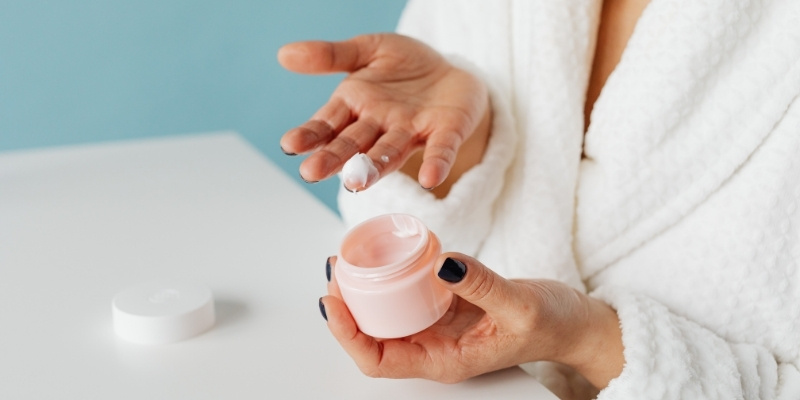
Rather than forcing change, peptides encourage the skin to function more efficiently.
Why They Work
- Support elasticity
- Improve smoothness
- Help skin appear more resilient
Popular Options
- Olay Regenerist Micro-Sculpting Cream
- Biossance Squalane and Copper Peptide Cream
Most skin types tolerate peptides well.
4. Niacinamide for Balance and Resilience
Niacinamide supports barrier repair, helps regulate oil production, and improves uneven tone.
It works well for most skin types and layers effortlessly with other ingredients.
Benefits Include
- Smoother texture
- Reduced redness
- Stronger barrier function
Where To Find It
- CeraVe PM Facial Moisturizing Lotion
- La Roche-Posay Toleriane Double Repair
Low concentrations are usually enough to see benefits.
5. Antioxidants for Daily Protection
Antioxidants help protect skin from environmental Stress that accelerates aging. They neutralize free radicals and support skin resilience.
Common Antioxidant Ingredients
- Vitamin E
- Green tea extract
- Resveratrol
These ingredients work best when used consistently.
6. Squalane for Softness and Comfort
Squalane mimics natural oils found in the skin. It helps prevent moisture loss without clogging pores.
It is beneficial for dry or mature skin that needs softness without heaviness.
Well-Known Options
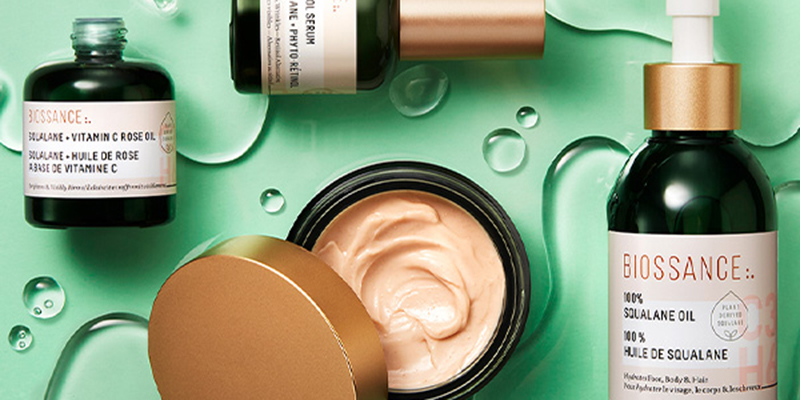
- Biossance Squalane + Omega Repair Cream
- The Ordinary 100% Plant-Derived Squalane
7. Panthenol for Soothing Support
Panthenol helps calm irritation and improve hydration. It supports the skin barrier and enhances softness.
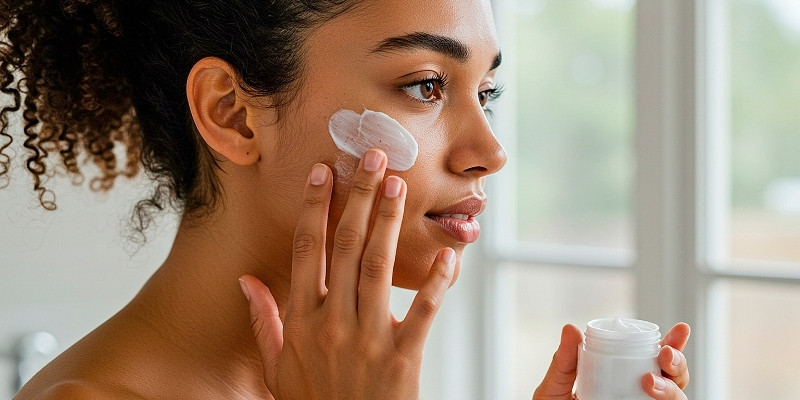
This ingredient works well for sensitive or compromised skin.
How to Choose the Right Moisturizer for Your Skin Type
Dry Skin
Look for ceramides, squalane, and fatty acids.
Oily Or Combination Skin
Choose lighter textures with niacinamide or hyaluronic acid.
Sensitive Skin
Stick to fragrance-free formulas with soothing ingredients.
Mature Skin
Look for peptides, antioxidants, and barrier support.
How to Layer Your Moisturizer Correctly
Moisturizer works best when applied at the right moment in your routine. It should always follow cleansing and any water-based treatment serums.
Apply to slightly damp skin to help seal in hydration
Use gentle upward motions to reduce friction
Avoid rubbing aggressively, especially around delicate areas
At night, a somewhat thicker layer can support overnight repair. Proper layering ensures ingredients sit evenly on the skin and perform as intended.
How Much Moisturizer You Really Need
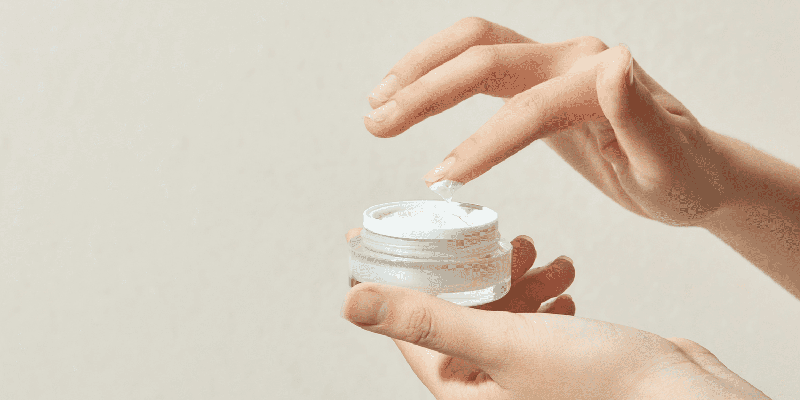
Using more product does not automatically improve results. In most cases, a nickel-sized amount is sufficient for the face and neck.
Too little may leave the skin under-hydrated
Too much can feel heavy and interfere with absorption
Spread evenly and focus on areas that feel tight or dry. Adjust slightly based on climate and skin condition, but keep application consistent.
Maximizing Your Moisturizer’s Performance
A high-performing moisturizer is only effective when supported by proper application and internal physiological health. Clinical data from 2025 confirm that applying your lipid-rich moisturizer to slightly damp skin increases ingredient penetration by up to 30%. Research also shows that internal hydration levels directly iaffectthe efficacy of topical humectants, such as hyaluronic acid
Monitoring your progress should focus on functional comfort. When the skin barrier is functioning correctly, the skin appears smoother under natural light, and makeup applies more evenly without clinging to dry patches. Consistency remains the primary driver of results. By maintaining consistent habits and avoiding frequent product changes, you allow the dermal matrix to stabilize and repair naturally over several weeks.
How Long Does It Take to See Results
Moisturizers deliver benefits in stages rather than all at once.
Hydration and comfort often improve within a few days
Texture and smoothness become noticeable over several weeks
Barrier strength builds gradually with consistent use
Anti-aging results depend on regular application. Skipping days or frequently changing products slows visible progress.
Supporting Habits That Enhance Results
Topical skincare works best when supported by daily habits.
Adequate water intake helps humectants function properly
Daily sunscreen use prevents collagen breakdown
Gentle cleansing avoids unnecessary barrier damage
Sleep quality and Stress management also influence how well skin responds. These habits quietly amplify the effects of your moisturizer over time.
How to Tell If Your Moisturizer Is Working
Effective moisturization shows up in how the skin behaves throughout the day.
Skin feels comfortable without tightness or itching
Texture looks smoother under natural light
Makeup applies evenly without clinging to dry areas
If skin remains balanced from morning to evening, your moisturizer is doing its job.
When to Adjust Your Moisturizer
Skin needs change over time, and your moisturizer should adapt accordingly.
Switch to a richer formula if skin feels tight or irritated
Choose lighter textures if skin appears greasy or congested
Seasonal shifts often require minor adjustments
Listening to these signals prevents overcorrection and maintains long-term balance.
Choosing the Right Formula for Long-Term Use
The most effective moisturizer is one you can use consistently.
Prioritize comfort and skin compatibility over trends
Look for stable, well-tolerated ingredients
Avoid frequent switching unless skin signals a clear need
Long-term results come from steady use, not constant experimentation. A reliable formula supports healthier, more resilient skin over time.
A Longitudinal Approach to Hydration
The most effective anti-aging moisturizers focus on hydration, barrier support, and gentle renewal. When you choose ingredients that work with your skin rather than against it, results follow naturally. With steady use and thoughtful care, your moisturizer becomes a powerful tool for maintaining healthy, resilient, and comfortable skin over time.