sana
|
April 14, 2026
Choosing between affordable skincare and luxury skincare is a common dilemma for many skincare users. Budget products promise good results at a low cost, while luxury brands highlight advanced formulas and premium ingredients.
The real question is whether higher prices actually mean better performance for your skin type. Understanding the differences can help you avoid unnecessary spending and pick products that truly work for your needs.
In this article, we’ll compare both options and help you decide which one is worth your money.
Key Differences Between Affordable and Luxury Skincare
When it comes to understanding the difference between affordable skincare and luxury skincare, several key factors play a pivotal role: ingredients, formulations, and pricing.
Ingredients: Luxury skincare is known for incorporating high-quality, rare ingredients, such as retinol derived from premium sources or exotic plant extracts. In contrast, affordable skincare products often consist of well-known effective ingredients like hyaluronic acid and salicylic acid, albeit in lower concentrations or mixed with fillers. The discussion around budget skincare vs luxury skincare highlights how beneficial ingredients can affect product efficacy within different price points.
Formulations: High-end products tend to feature sophisticated formulations that benefit from extensive research and patented technologies developed over the years. For example, La Mer’s The Revitalizing Hydrating Serum integrates unique blends crafted for specific skin concerns. Meanwhile, many drugstore options, such as Neutrogena or CeraVe, provide practical solutions to everyday skincare challenges at a much more affordable cost, proving effective without elaborate marketing.
Pricing: Price points represent the most discernible difference. Luxury skincare products can range from $50 to several hundred dollars, while affordable alternatives typically cost under $30. Thus, when selecting between drugstore vs high-end skincare, users must consider the impact on effectiveness as well as the overall experience tailored to their specific skincare needs and financial situation.
Maintaining awareness of these differences empowers consumers to make informed choices that align well with both their skincare requirements and financial capabilities.
When Affordable Skincare Works Best
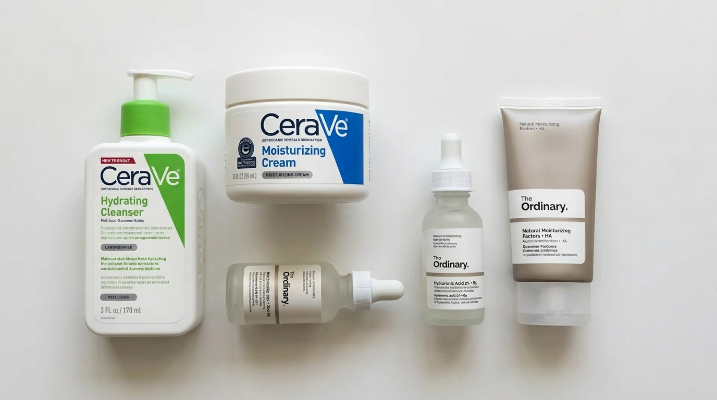
Affordable skincare products can yield remarkable outcomes, especially when picked wisely. For those mindful of their budget, searching for the best skincare products under $50 can uncover impressive solutions. Dermatologist-recommended affordable skincare lines, including CeraVe, The Ordinary, and Neutrogena, provide essential, effective ingredients without extravagant pricing.
For example, CeraVe Hydrating Cleanser receives high praise for its gentle cleansing action, making it suitable for individuals with dry and sensitive skin. Users often note its ability to maintain moisture while effectively cleansing, making it a favorite for those dealing with eczema. Furthermore, The Ordinary's Niacinamide 10% + Zinc 1% has gained noteworthy traction for its effectiveness in minimizing pores and enhancing skin texture, illustrating that high efficacy doesn’t always require a high price.
Reviews consistently highlight significant improvements in users' skin clarity and texture after integrating these affordable products into their daily routines. With an increasing awareness around effective, budget-friendly skincare, it’s clear that affordability doesn't equate to inferior quality. With thoughtful selection based on personal skin considerations, affordable skincare can prove to be a powerful ally in the pursuit of healthy, glowing skin.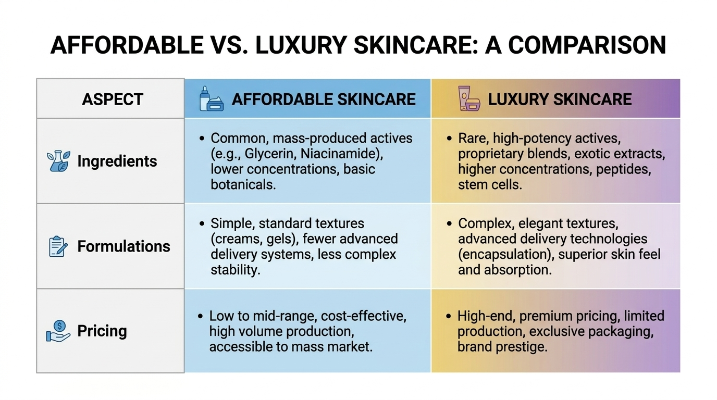
What High-End Skincare Offers
High-end skincare brands elevate daily routines by presenting distinct advantages that often justify their elevated price tags. A key hallmark of these premium products is their formulation, which frequently incorporates luxurious and potent ingredients like caviar, diamond powder, or stem cells from rare plants. These exceptional components are chosen thoroughly for their potential to deliver transformative results, enhancing skin vitality and radiance.
The texture of luxury skincare products typically enriches the application experience. With opulent creams, silky serums, and lightweight oils, these products glide effortlessly onto the skin. An excellent example is La Mer’s Crème de la Mer, famed for its velvety consistency and nurturing effects, transforming daily skincare routines into a delightful pampering experience.
Additionally, the perceived value of luxury skincare often extends beyond tangible results. Many consumers are drawn to premium brands not only for their effectiveness but also for the aspirational narratives and prestige they offer. This emotional aspect fosters a connection that enhances the overall investment experience. Nonetheless, consumers must weigh these benefits against trade-offs; while luxury skincare may promise astounding quality and results, it often sacrifices accessibility and affordability. Yet, for those seeking targeted solutions with a glamorous touch in their daily regimen, high-end skincare undoubtedly delivers.
Comparing Products Side by Side
When selecting between affordable and luxury skincare, a side-by-side assessment reveals critical comparisons that inform smarter decisions.
Affordable Skincare:
Affordable skincare options provide tremendous value, making them accessible to a broad demographic. Brands like The Ordinary and CeraVe showcase effective formulations without a hefty cost. Pros include a wide range of available choices, frequent promotional deals, and the ability to experiment without substantial financial commitment. However, less costly products may lack advanced ingredients or higher concentrations found in luxury alternatives, posing challenges for consumers navigating the extensive variety of available products.
Luxury Skincare:
Conversely, luxury skincare brands such as La Mer and Skinceuticals pride themselves on delivering premium ingredients, expert formulation, and robust research backing their claims. The advantages encompass perceived product effectiveness, unique textures, and often a superior packaging experience. Nevertheless, these appealing characteristics come with a significant financial investment, raising questions about whether the results merit the cost.
Ultimately, the choice between affordable and luxury skincare will heavily rely on individual requirements, desired outcomes, and budgetary limits. By evaluating factors such as skin concerns, ingredient preferences, and personal investment willingness, consumers can identify what suits them best.
Final Thoughts: Fostering Empowered Skincare Choices
In navigating the landscape of affordable vs luxury skincare, understanding the intricacies of cost versus quality becomes vital. Affordable products generally present decent effectiveness for budget-conscious individuals, while luxury lines may indulge unique textures and advanced formulations. Readers keen on results without extravagant spending should explore reputable affordable brands, while those seeking luxe experiences and specialized solutions may find satisfaction in high-end products. Ultimately, a thorough evaluation of personal skin needs, budgetary considerations, and values helps tailor an effective and rewarding skincare routine.